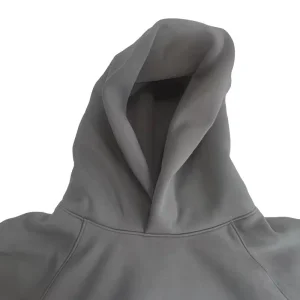
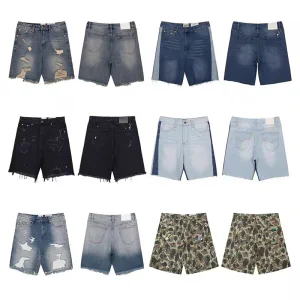
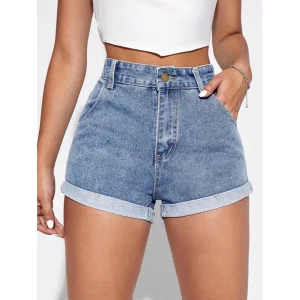
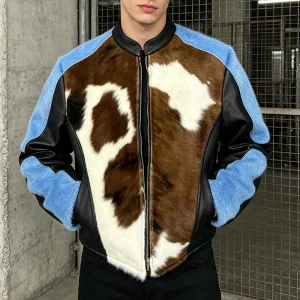
Explore our trending customizable garments, featuring industrial durability, precision stitching, and modern streetwear aesthetics.
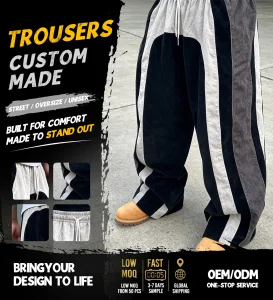
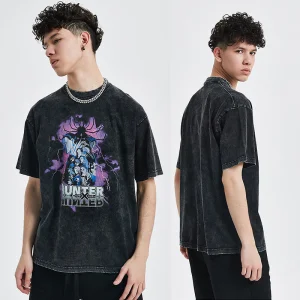
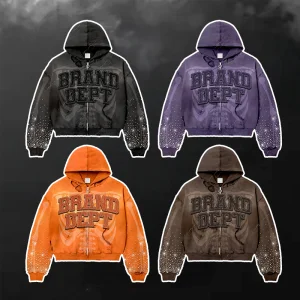
A comprehensive examination of the shifts in consumer behavior, manufacturing clusters, and trade dynamics of flannel apparel.
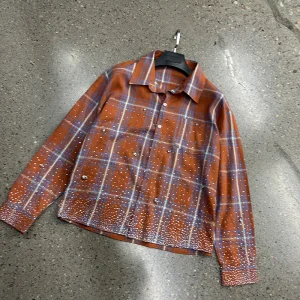
Flannel, traditionally characterized by its soft, brushed woven texture and robust heat-retention capabilities, has migrated from its 19th-century heavy-industrial workwear roots to become a pivotal foundation of contemporary streetwear, urban utility, and luxury collections. Today's commercial flannel jacket market is driven by overlapping demands for durable utility outer layers, custom aesthetic branding (such as acid-wash and rhinestone integration), and hybrid layering wear.
Global brands and wholesale buyers are increasingly moving away from simple commodity-level supply lines. Modern buyers require partners who understand the interplay of fiber blend compositions, brushing frequencies (which dictate the loft and thermal insulation of the fabric), and complex finishing processes. From thick heavy French terry and fleece-lined jackets to lightweight spring flannel shirts, supply chain agility has become the primary source of competitive advantage.
A rigorous checklist for international procurement agents, comparing structural manufacturing standards, material traceability, and capacity configurations.
Sourcing high-performance flannel apparel requires assessing the operational infrastructure of prospective factories. Below are the core factors that define a world-class manufacturing facility, serving as a framework to evaluate the top ten international supply hubs.
Top-tier factories operate with varied fabric inputs, offering everything from 180GSM lightweight summer options to heavy-duty 380+ GSM double-brushed flannel for sub-zero outdoor performance. The stability of the warp-and-weft weave determines shrinkage resistance and graphic print retention over long lifecycle loops.
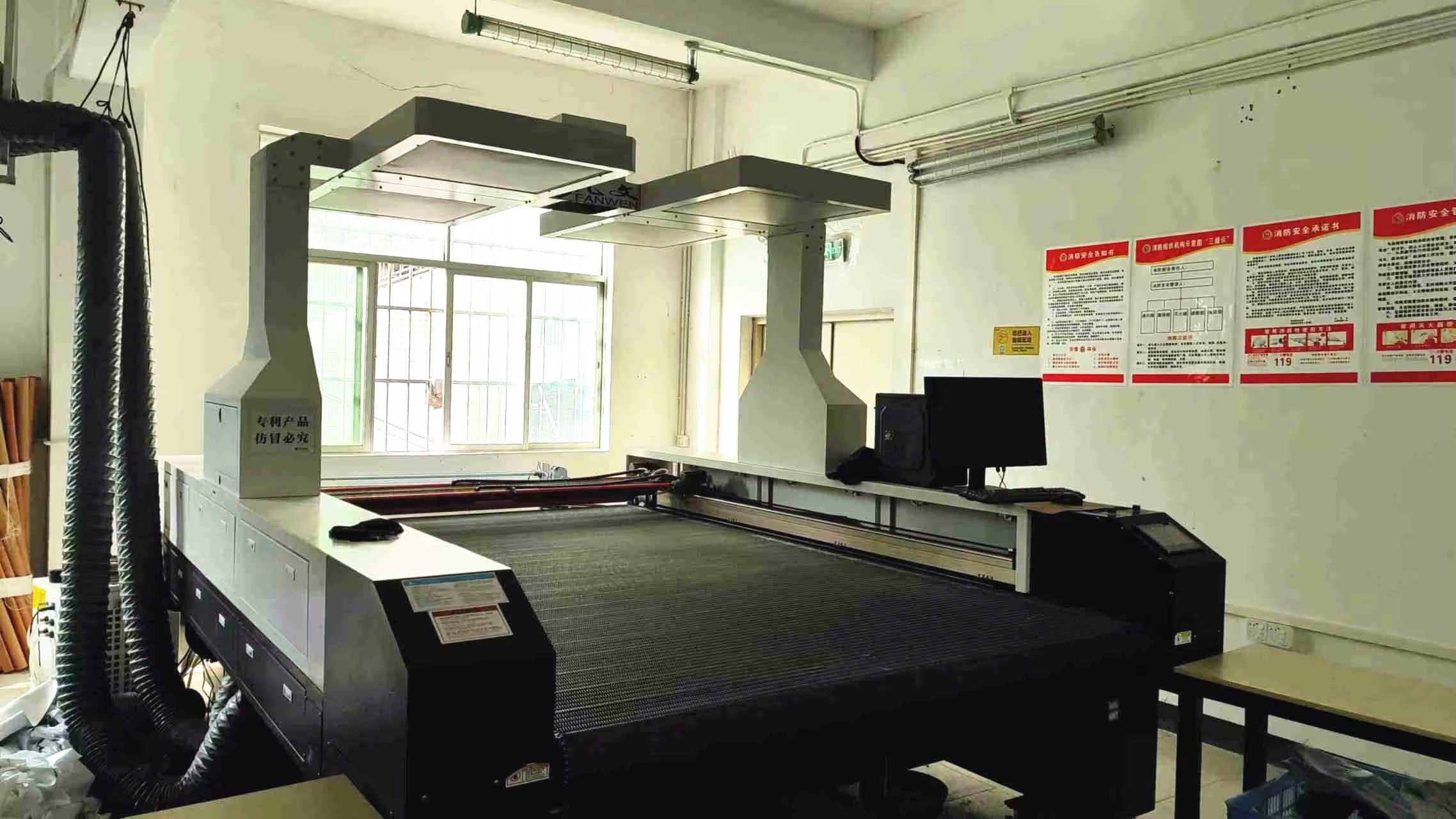
A major quality indicator in plaid flannel manufacturing is stripe and pattern matching at the seams. High-quality manufacturers employ automated optical scanning tables and precision laser cutting to align grids across pockets, side seams, and sleeve joins, minimizing visual disruption.
In modern apparel commerce, inventory overstock is a critical risk. Modern manufacturers address this by offering agile production models with low MOQs (as low as 2 pieces), allowing fashion brands to test designs in real-time, scale up winning styles quickly, and reduce waste.
| Manufacturing Cluster Hub | Primary Production Specialization | Technological & Operational Strengths | Target Market & Lead Times |
|---|---|---|---|
| Guangdong NovaFair (China) | Custom Denim, Contemporary Streetwear, Rhinestone Plaid, Heavy Fleece Jackets | Full-cycle automation, digital heat transfer, laser cutting, low MOQ agility (2 pcs). | Global markets (North America, Europe, Oceania). 7-14 day rapid dispatch options. |
| Zhejiang Province (China) | Synthetic Blends & Polar Fleece Linings | Mass production scale, ultra-competitive fabric pricing for bulk distribution. | Mid-to-low market segments. 30-45 days lead time. |
| Nam Dinh Province (Vietnam) | Classic Woven Cotton Shirts | Stable labor supply, competitive tariffs for US trade, large-scale basic apparel. | High-volume wholesale retail chains. 45-60 days lead time. |
| Dhaka Cluster (Bangladesh) | High-Volume Commodity Flannel Shirts | Massive vertical operations from spinning to sewing. Exceptional pricing on bulk runs. | Global discount department retailers. 60-90 days lead time. |
| Porto District (Portugal) | Premium Organic Cotton & Luxury Flannels | Strict EU environmental standards compliance, high-quality combed cotton yarns. | High-end boutique fashion houses. 30-45 days lead time. |
A trusted global partner in apparel manufacturing, empowering designers and brands worldwide with flexible, sustainable, and high-quality solutions.
From a small, experience-driven workshop to an internationally oriented apparel manufacturer, NovaFair has continuously evolved with the fashion industry. We embrace change as an opportunity for growth and innovation, constantly improving our craftsmanship, production capability, and service quality. Today, we proudly serve emerging designers, established brands, and private labels, especially in the North American and European markets, offering customized solutions that bring creative concepts to life.
To become a trusted global partner in fashion manufacturing, empowering designers and brands worldwide with flexible, sustainable, and high-quality apparel solutions—especially in the field of customized denim and contemporary fashion wear. We strive to merge traditional craftsmanship with advanced technology, providing digital assets and agile production workflows that support sustainable practices and reduce textile waste globally.
We are guided by the values of customer-first, integrity, unity, adaptability, passion, professionalism, and shared growth. Our mission is to deliver exceptional garments and reliable manufacturing solutions while building long-term partnerships based on trust, creativity, and mutual success. We ensure that every piece of clothing leaving our facility undergoes strict quality control audits to exceed international retail standards.
Based in Guangdong, the heart of China’s garment manufacturing sector, Guangdong NovaFair Fashion Co., Ltd. leverages over 20 years of expertise in the apparel industry. This region provides an integrated ecosystem containing thousands of specialized textile mills, trim suppliers, and advanced machinery logistics. This proximity allows NovaFair to shorten pre-production development loops and quickly source premium brushed flannel, hardware, and specialized embellishments.
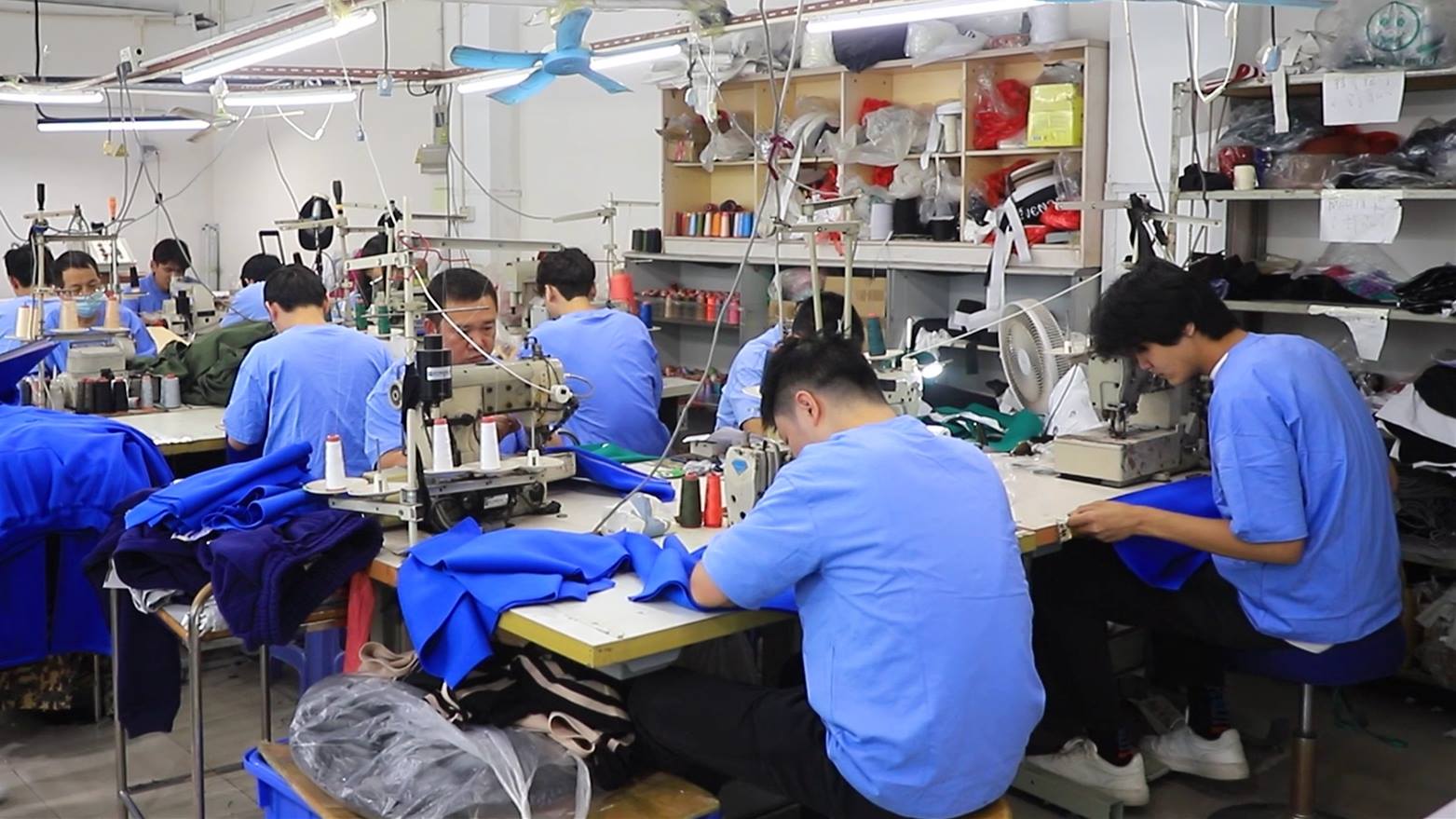
NovaFair's production system is structured to support modern business demands: low MOQ (as low as 2 pieces), fast sample development, competitive pricing, and reliable customer service. These operational advantages enable us to support designers, brands, and wholesalers with greater agility and creativity, responding quickly to social-media-driven micro-trends and seasonal fluctuations.
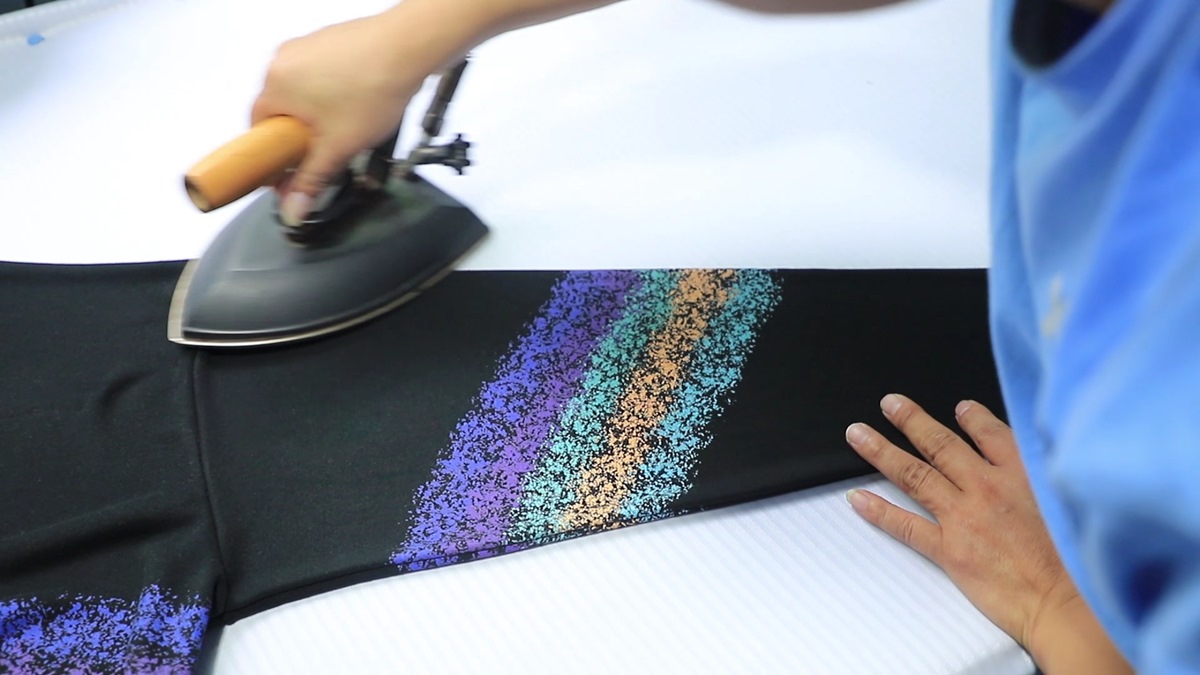
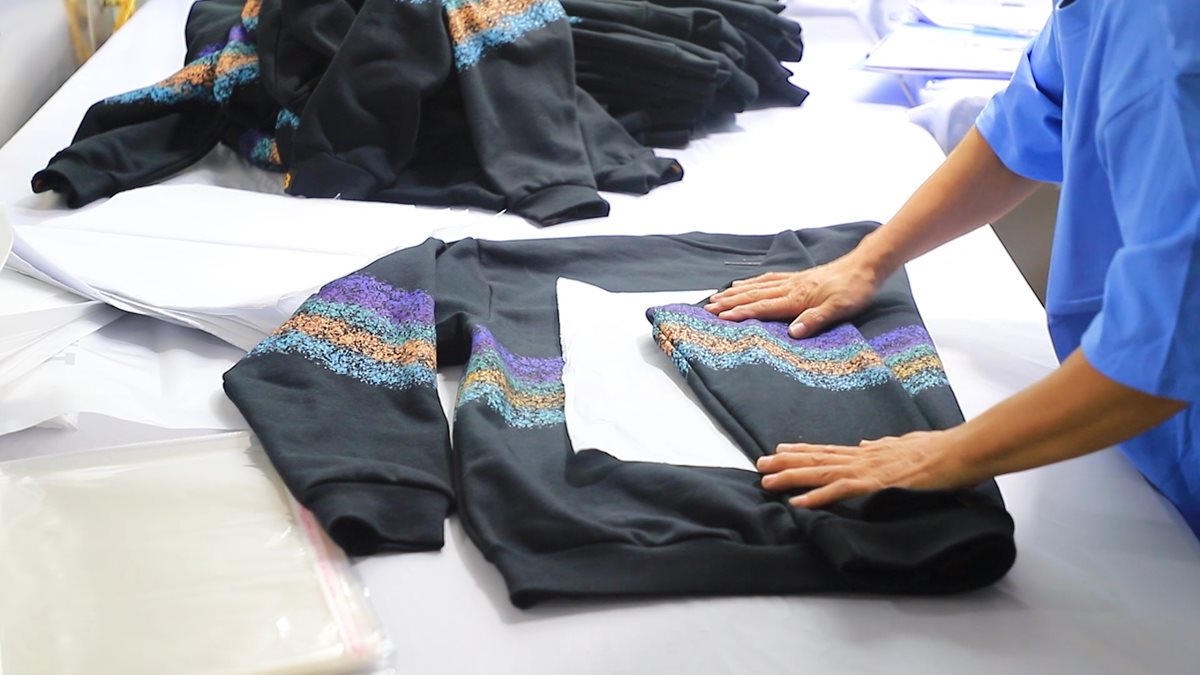
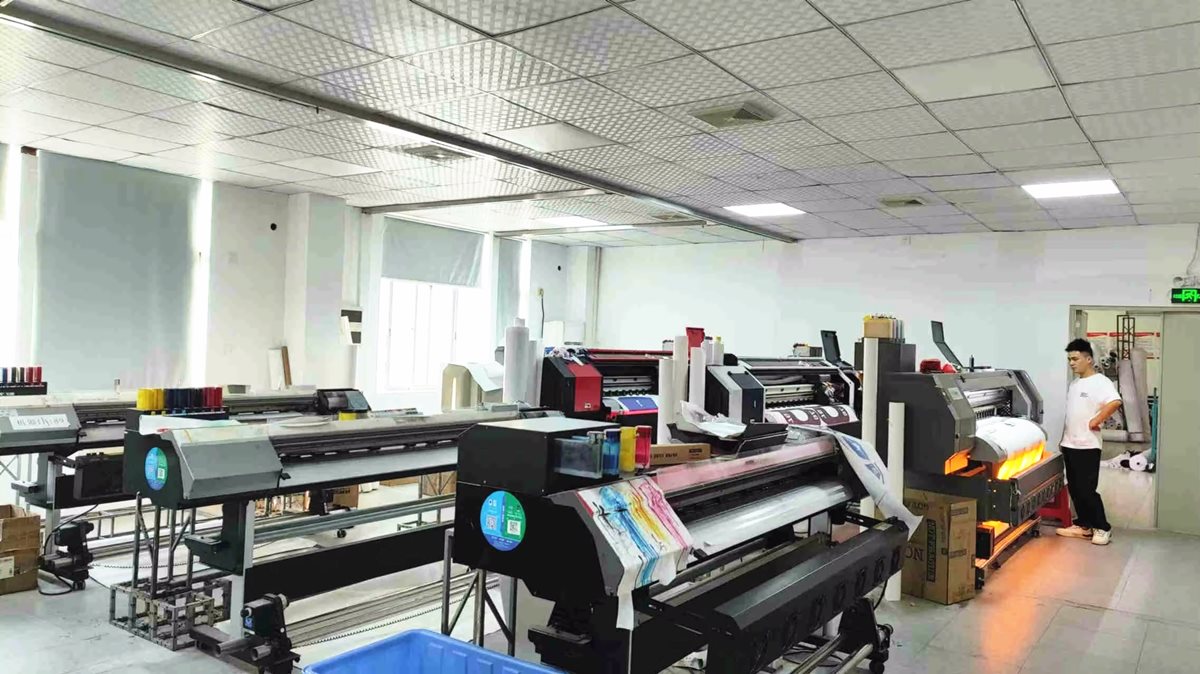
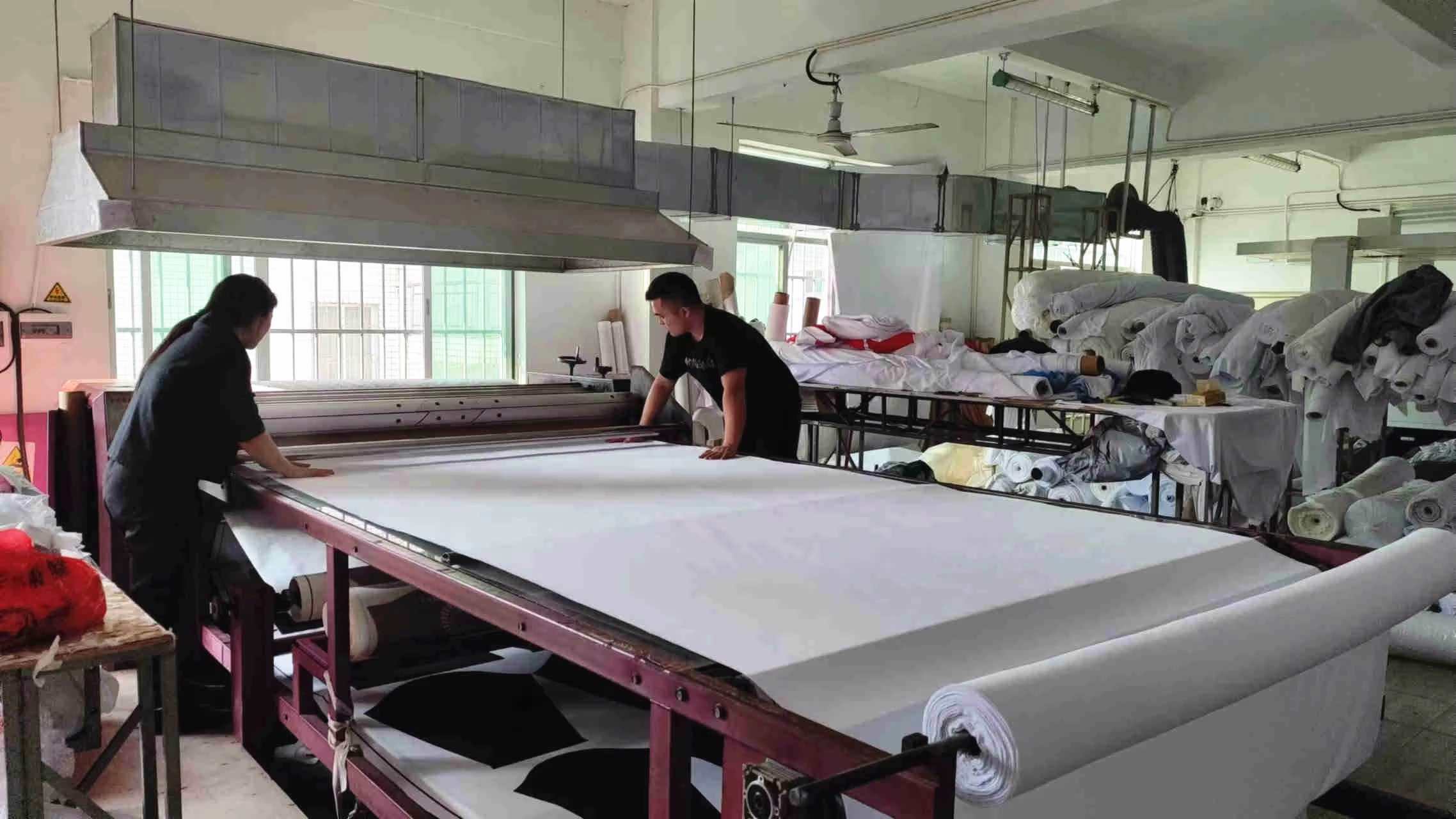
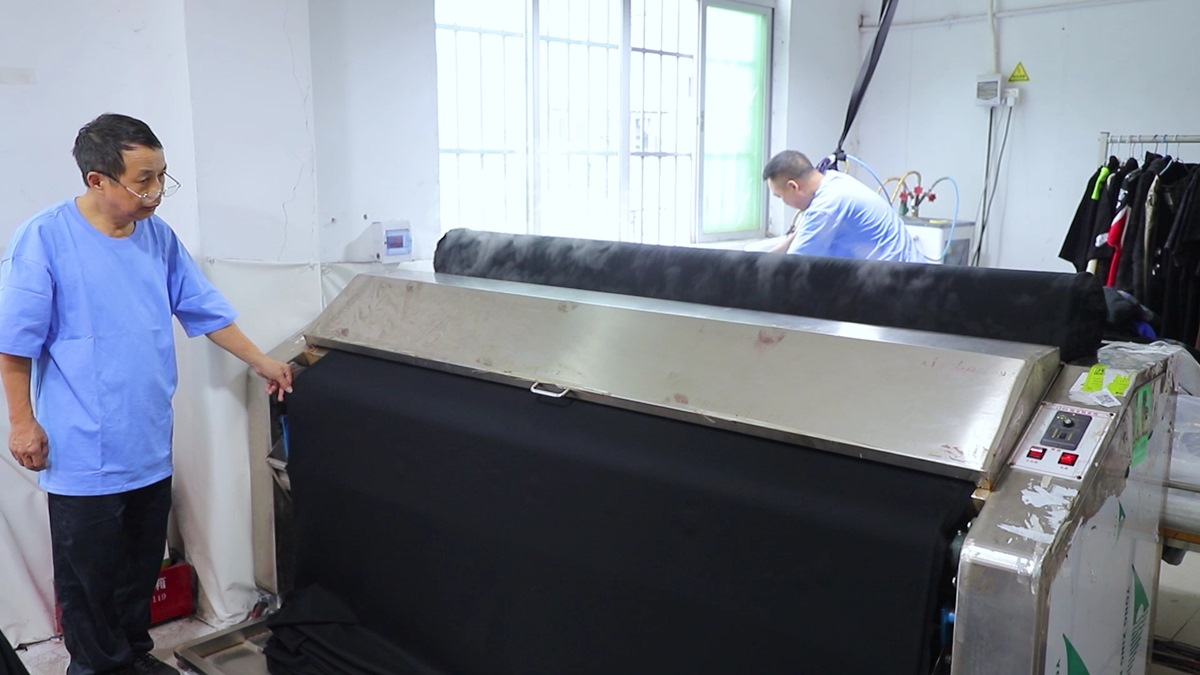
A visual overview of our advanced garment processing capabilities, illustrating how we maintain quality control from raw materials to final packaging.
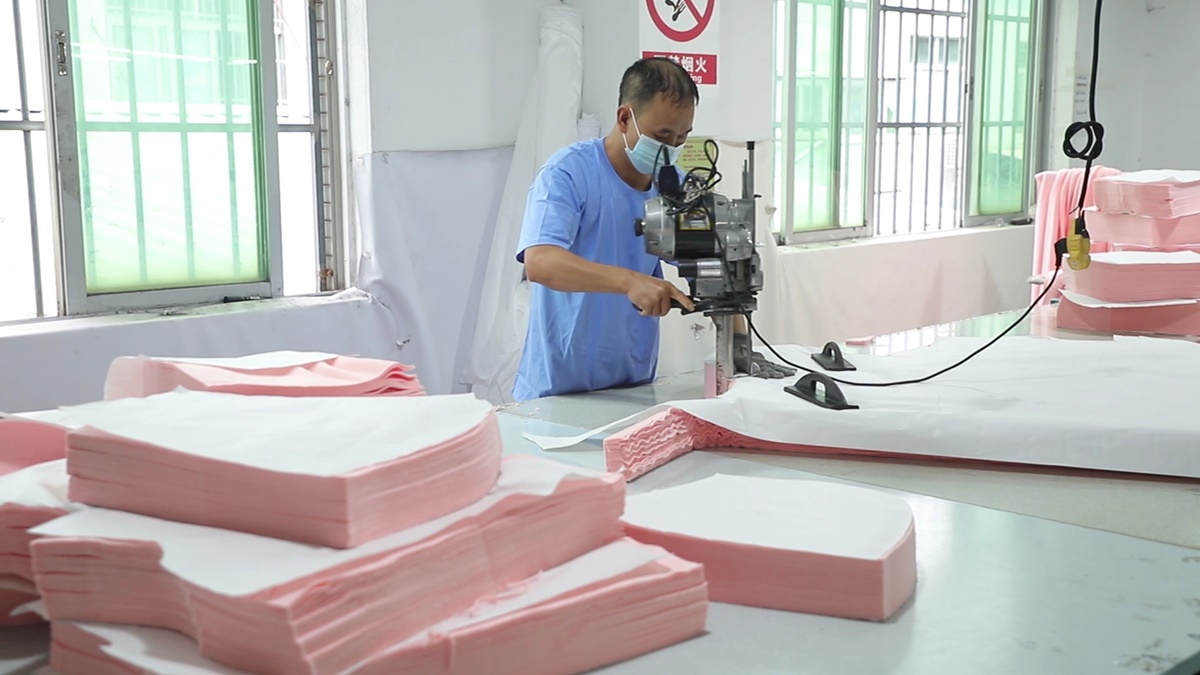
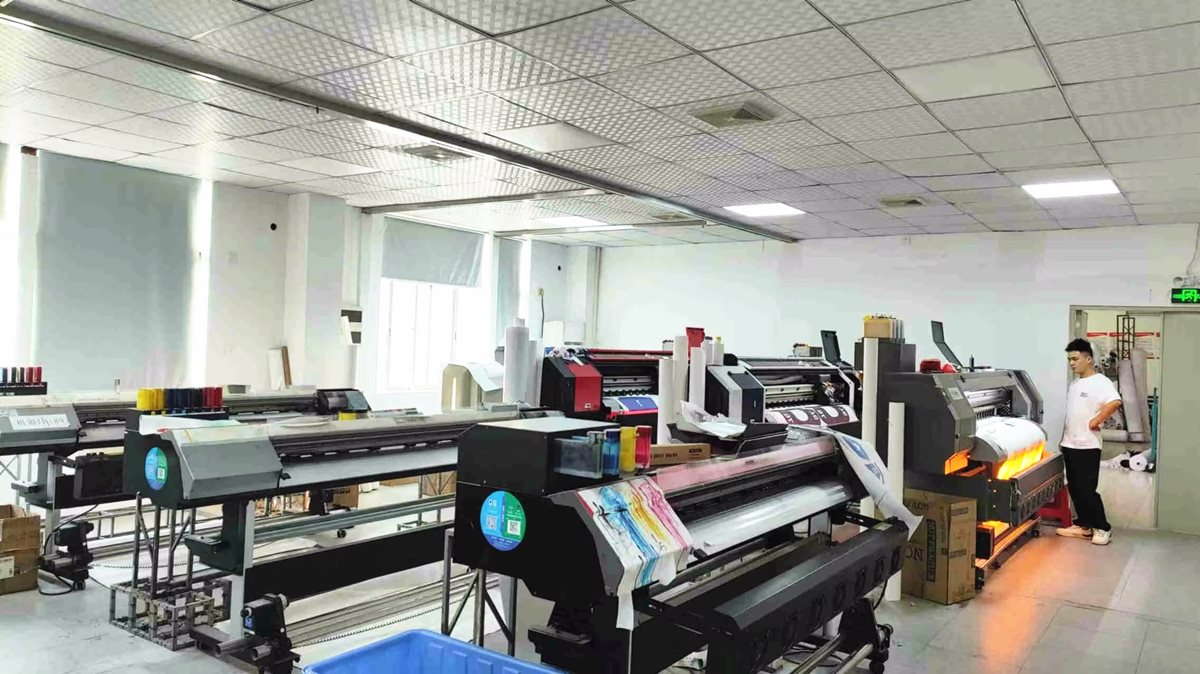
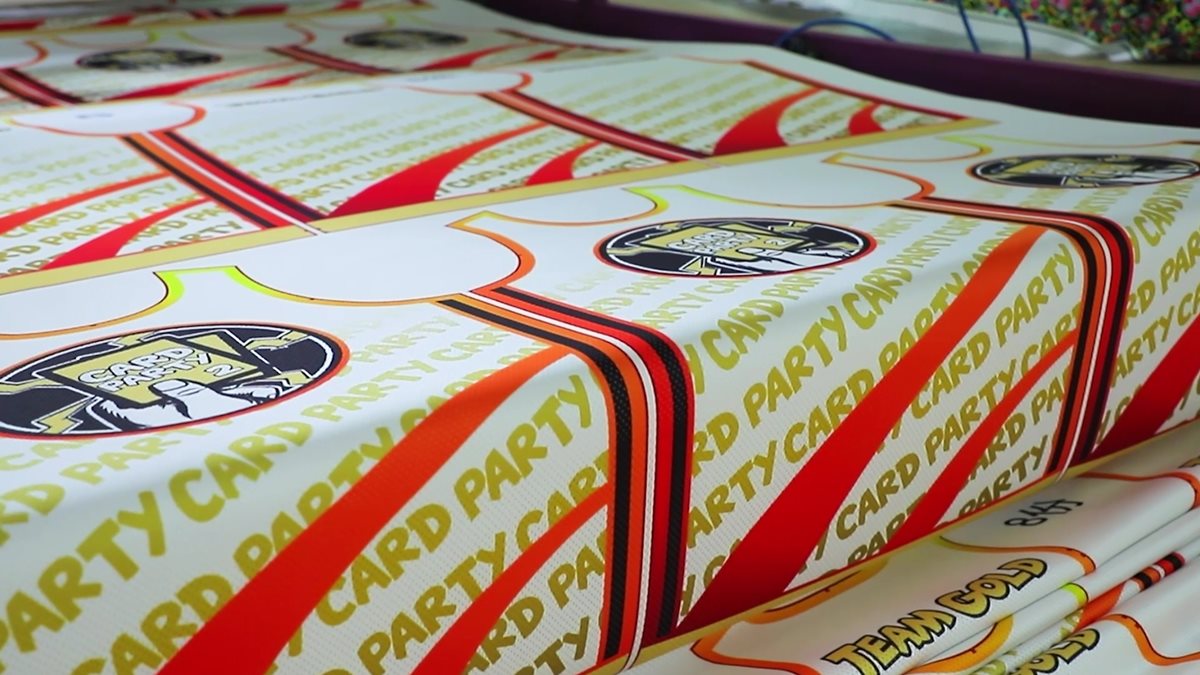
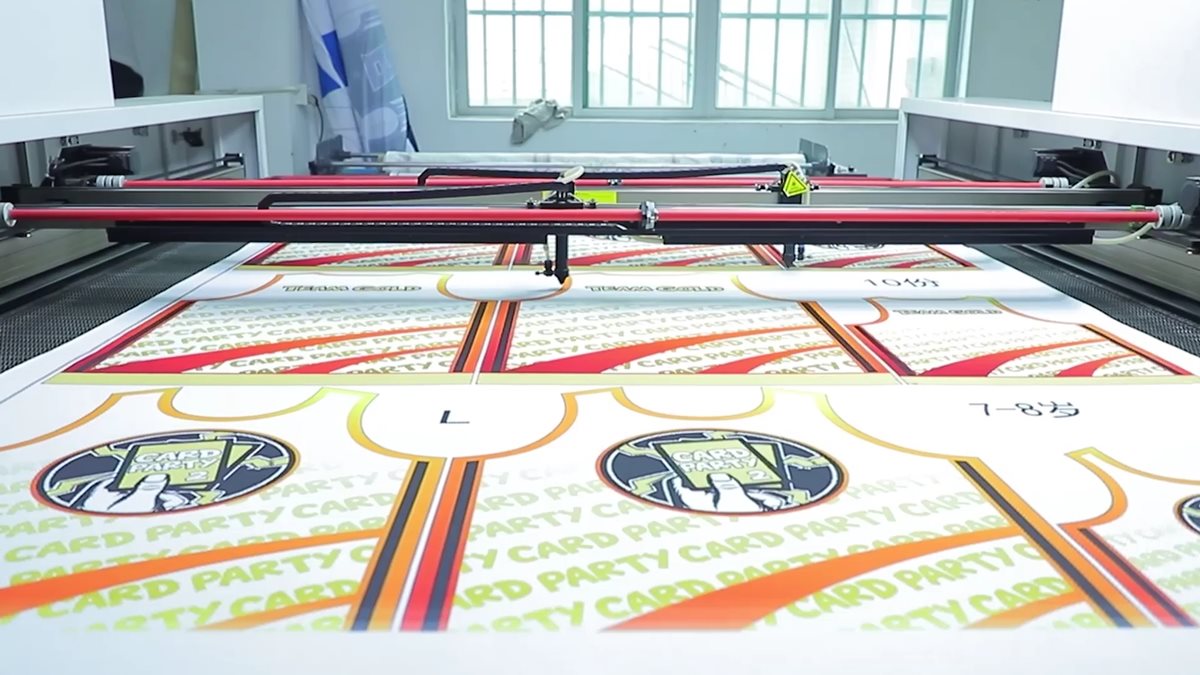
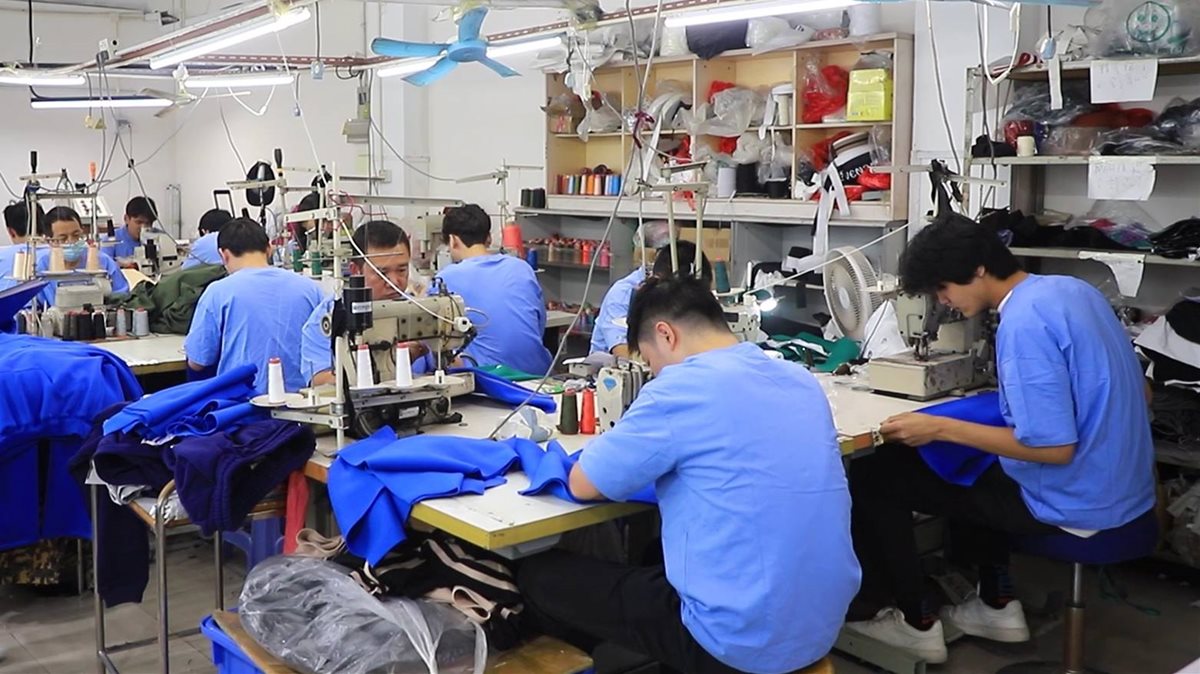
Analyzing how different geographical markets modify flannel configurations to align with localized weather patterns, cultural trends, and safety regulations.
Demands center on durable utility. In these regions, flannel jackets function as transition-season outerwear. Buyers prioritize heavyweight outer shells, dual-layered sherpa fleece linings, and reinforced button plackets capable of withstanding physical stress in agricultural, logistics, or outdoor recreation settings.
Prioritizes slim tailoring and certified materials. Brands in these regions typically require GOTS-certified organic cotton, clean flat-felled inner seams, and minimal outer branding. The preferred styling trends toward neutral solid colors or traditional tartan checks, functioning as refined urban casual wear.
Demands oversized silhouettes, modern distress detailing, and graphic embellishments. Features like rhinestones, screen printing, and acid-wash techniques are highly sought after by boutique labels catering to youth culture. Sizing patterns in these regions focus on loose, dropped shoulders.
The global flannel market is currently influenced by three major technical shifts:
Essential answers to compliance, logistics, manufacturing parameters, and customization services.
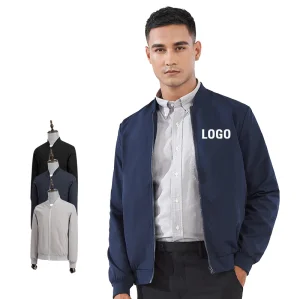
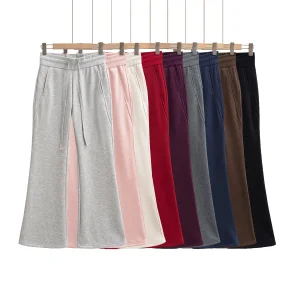
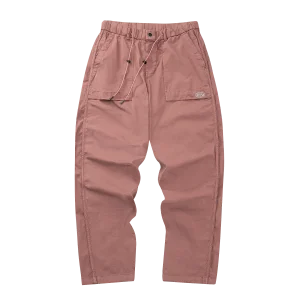
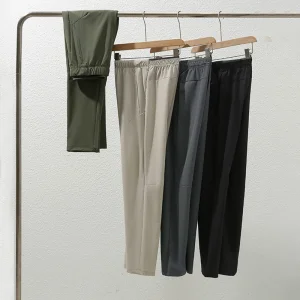
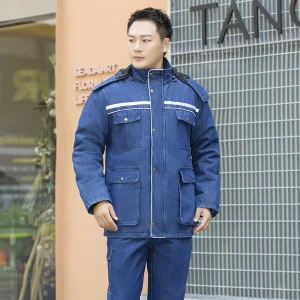
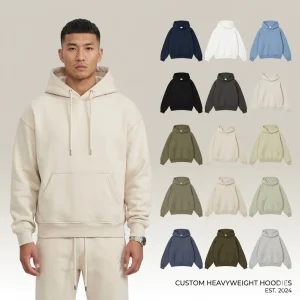
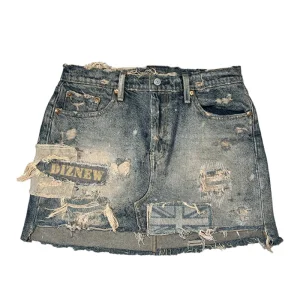
Explore our manufacturing capabilities across denim, heavy outerwear, fleece layers, and utility pants.
 NovaFair Fashion