Explore our premium product line manufactured with the highest craftsmanship and advanced fabric engineering.
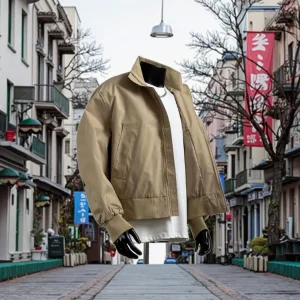
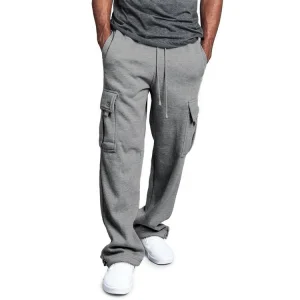
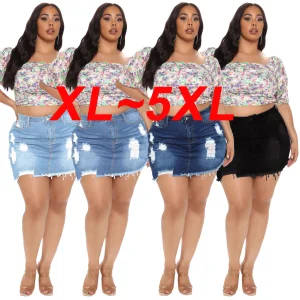
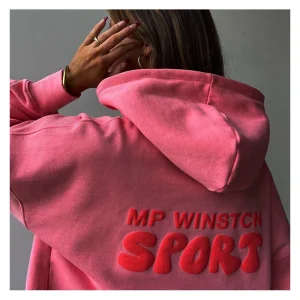
Understanding the shifting demands, material science breakthroughs, and technical parameters of B2B procurement.
The global softshell jacket sector is transitioning from standard outdoor gear to multi-functional high-performance apparel. In the contemporary market, buyers expect softshell products that offer advanced protection from elements without compromising comfort or flexibility. This shift has driven manufacturers to innovate at the polymer and textile processing level. To secure competitive margins, international brands must identify factory partners capable of managing advanced lamination, seam sealing, and sustainable finishing.
A premier softshell manufacturing facility must possess specialized equipment and a mature quality assurance process. The integration of 3-layer laminates—combining a durable stretch woven face fabric, a high-performance breathable membrane (TPU, PU, or PTFE), and a soft insulating inner fleece or knit layer—demands precise temperature and pressure controls during the lamination process. Minor deviations can lead to delamination, reduced breathability, or compromised water resistance, ultimately impacting the brand's reputation.
Furthermore, the growing consumer demand for circular economies and eco-friendly products has made green practices a priority. Leading factories are shifting from traditional fluorocarbon-based Durable Water Repellent (DWR) treatments to PFC-free alternatives (such as C0 formulations). They are also incorporating recycled polyester (rPET) face fabrics. Sourcing from certified facilities (GRS, OEKO-TEX Standard 100, bluesign) is essential to meet strict regulatory and environmental compliance in European and North American markets.
Key drivers changing consumer preferences and the strategic manufacturing responses required.
Consumers actively seek PFC-free water-repellent systems, recycled synthetic fibers, and biodegradable PU membranes. Manufacturers must offer GRS-certified supply chains to remain competitive.
By mapping body heat zones, modern softshells integrate breathable mechanical-stretch woven fabrics under the arms with highly wind-resistant, fleece-lined laminates at the chest cores.
Traditional needle stitches are being replaced by high-frequency ultrasonic welding and heat-bonded tapes. This technology eliminates needle punctures, ensuring lightweight, windproof seams.
Evaluating technical specifications and quality standards when selecting manufacturing partners.
B2B procurement teams must manage multiple parameters to ensure consistent garment performance and timely delivery. The primary evaluation metric for softshell jackets is the waterproof rating and breathability ratio. Premium options typically require a hydrostatic head rating of at least 8,000mm to 10,000mm H2O, paired with a breathability rating of 5,000 to 8,000 g/m²/24h. For intense alpine activities, a lower RET value (Resistance to Evaporative Heat Transfer, preferably < 6) is highly desirable.
In addition to technical specifications, manufacturing agility is crucial. Traditional, high-volume CMT (Cut-Make-Trim) facilities often struggle with the design shifts of modern fashion brands. Strategic buyers favor manufacturers that offer a blend of high-volume efficiency and flexible, low-MOQ capabilities. This flexibility allows brands to test emerging markets, reduce deadstock risks, and execute fast product updates.
A trusted manufacturer with over two decades of apparel development and technical production expertise.
Guangdong NovaFair Fashion Co., Ltd. is a leading professional garment manufacturer in China with over 20 years of experience in the apparel industry. We specialize in the design, development, and production of high-quality and fashion-forward clothing, dedicated to meeting the evolving needs of global markets driven by economic, cultural, and lifestyle changes.
With a strong focus on innovation and flexibility, NovaFair has built a responsive and efficient production system that supports modern business demands, including low MOQ (as low as 2 pieces), fast sample development, competitive pricing, and reliable customer service. These advantages allow us to support designers, brands, and wholesalers with greater agility and creativity.
Over the years, we have cultivated a professional and collaborative team culture rooted in trust, efficiency, and continuous improvement. Our ability to adapt quickly to changing trends and client requirements has enabled us to build long-term partnerships across different regions.
From a small, experience-driven workshop to an internationally oriented apparel manufacturer, NovaFair has continuously evolved with the fashion industry. We embrace change as an opportunity for growth and innovation, constantly improving our craftsmanship, production capability, and service quality. Today, we proudly serve emerging designers, established brands, and private labels, especially in the North American and European markets, offering customized solutions that bring creative concepts to life.
To become a trusted global partner in fashion manufacturing, empowering designers and brands worldwide with flexible, sustainable, and high-quality apparel solutions—especially in the field of customized denim and contemporary fashion wear.
We are guided by the values of customer-first, integrity, unity, adaptability, passion, professionalism, and shared growth. Our mission is to deliver exceptional garments and reliable manufacturing solutions while building long-term partnerships based on trust, creativity, and mutual success.
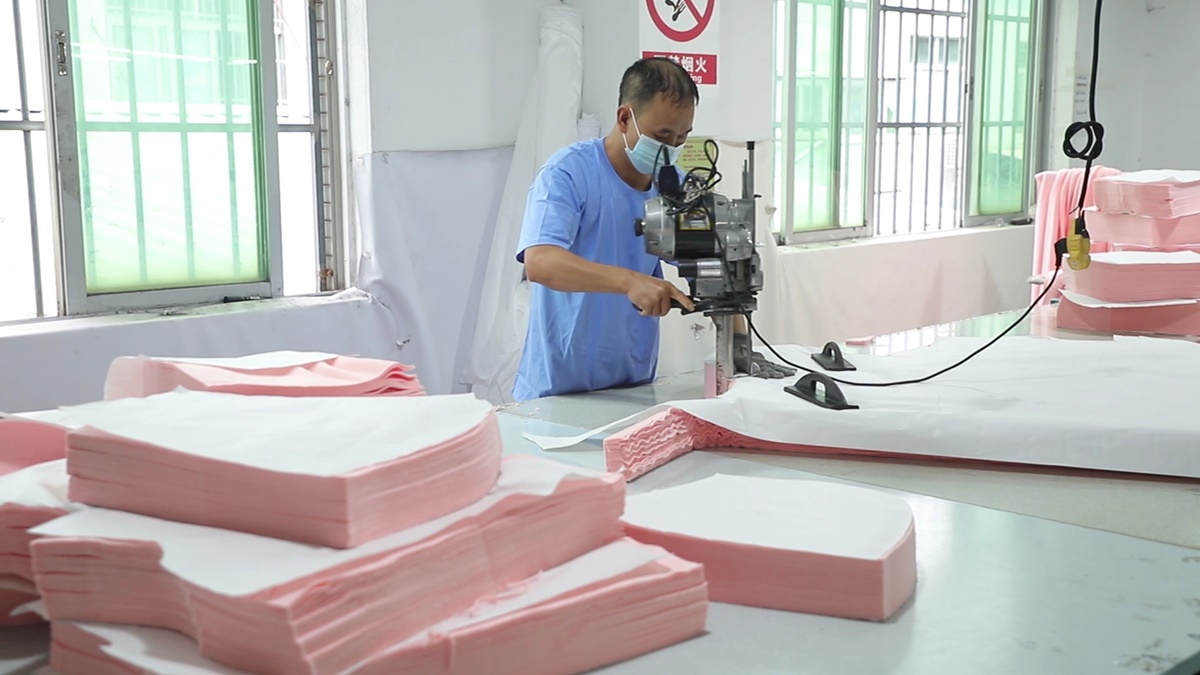
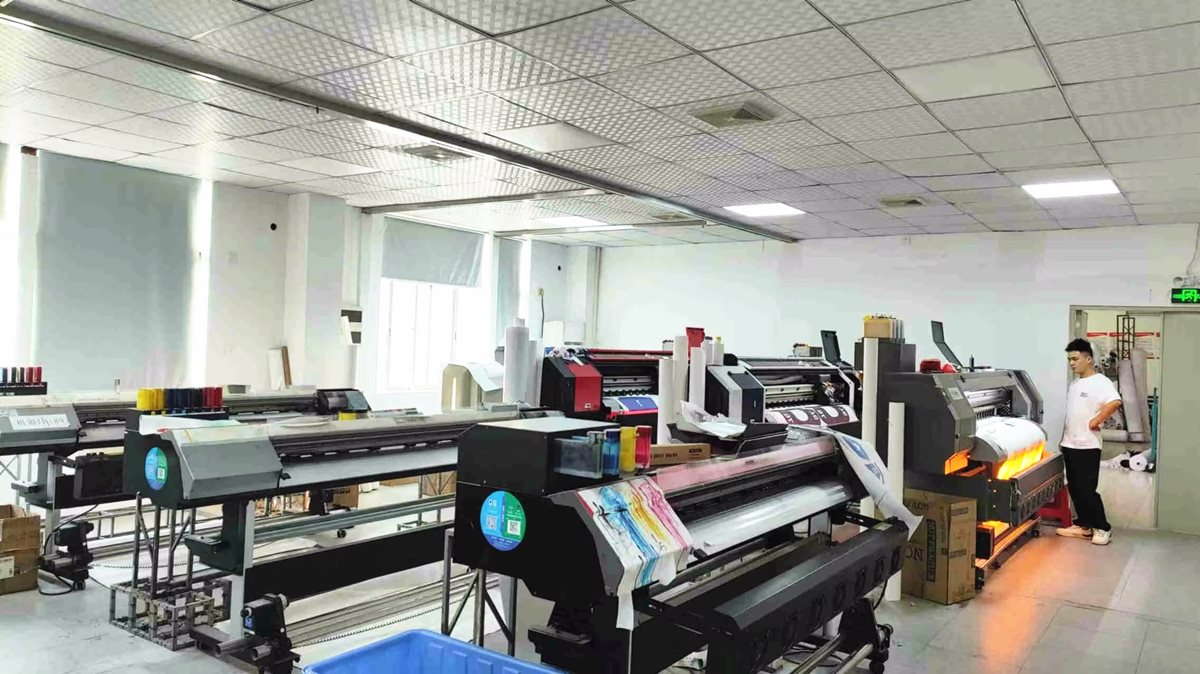
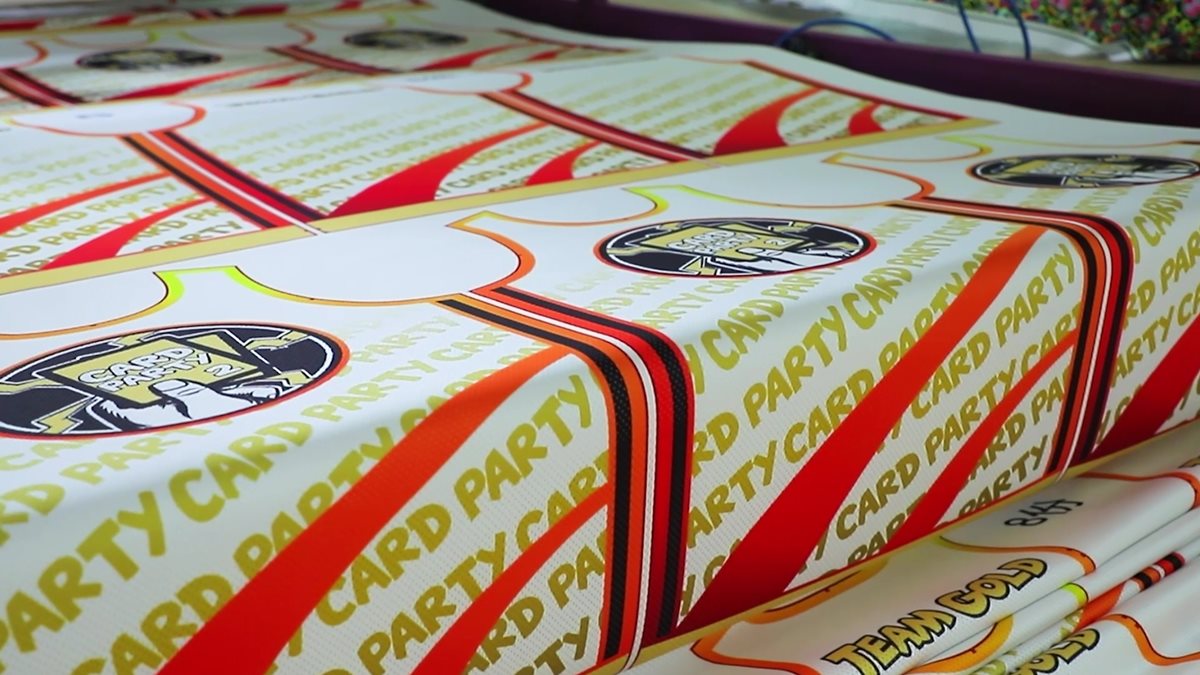
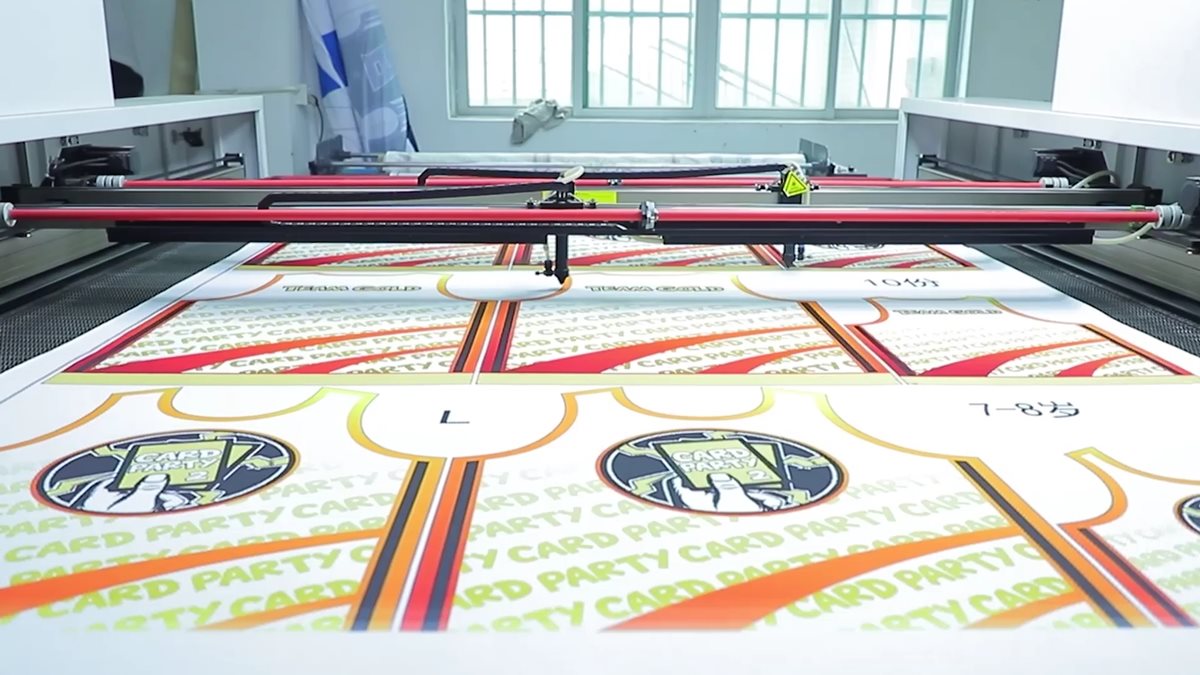
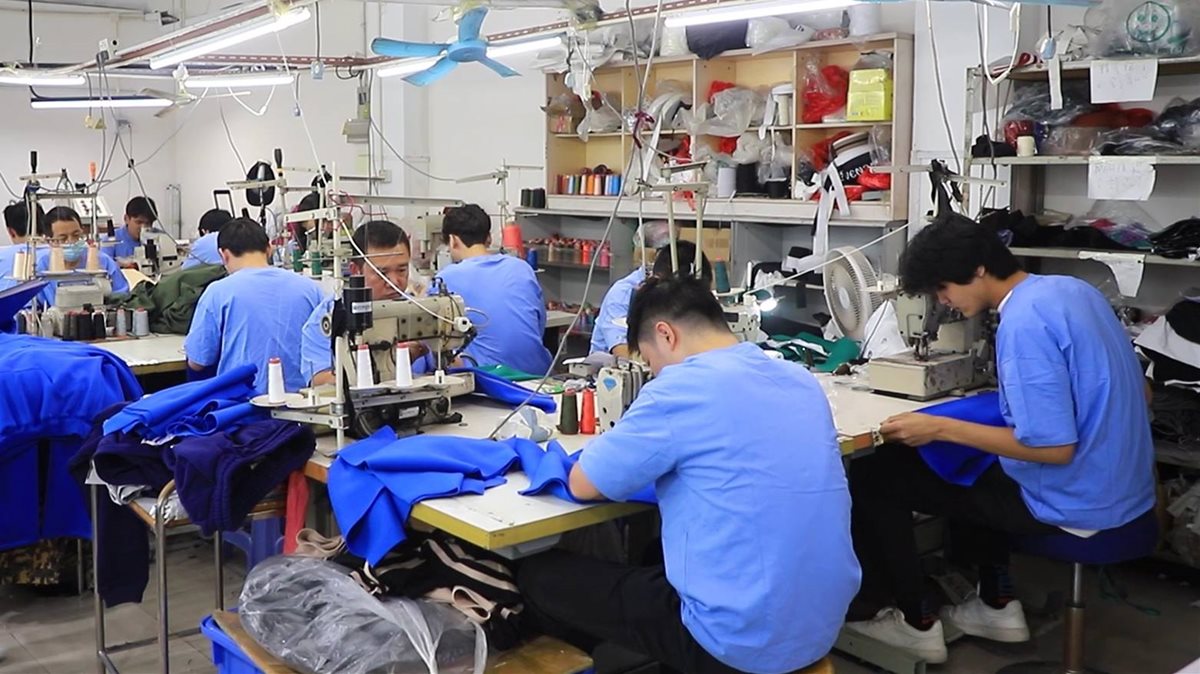
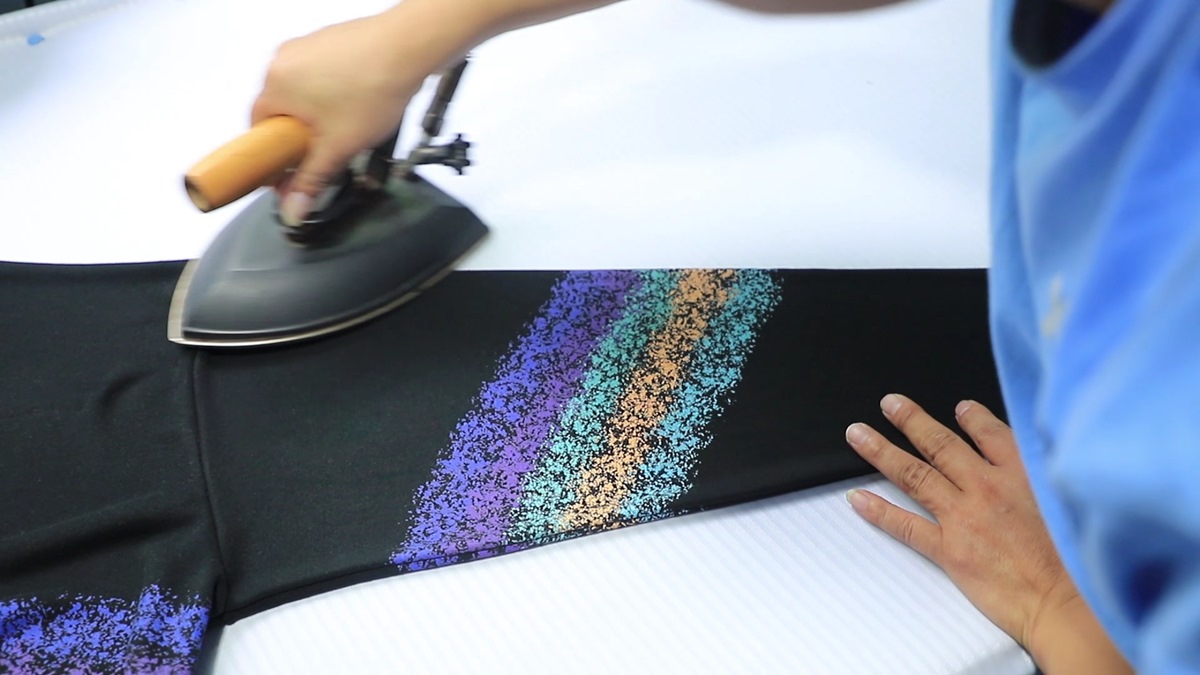
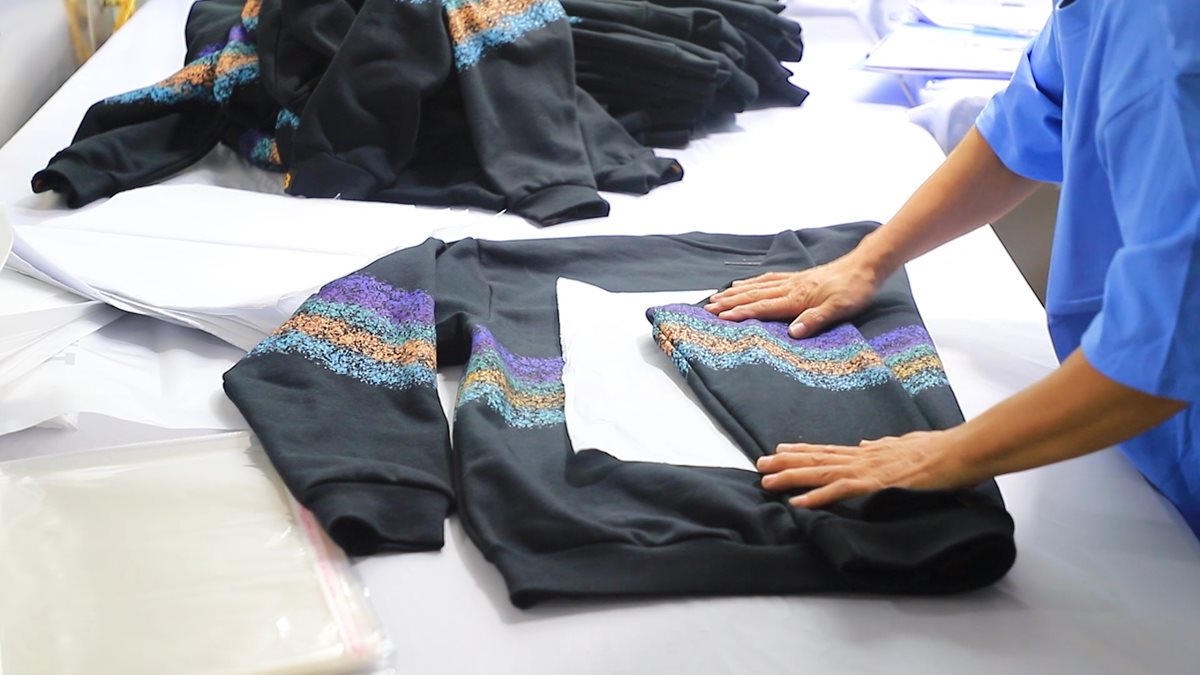
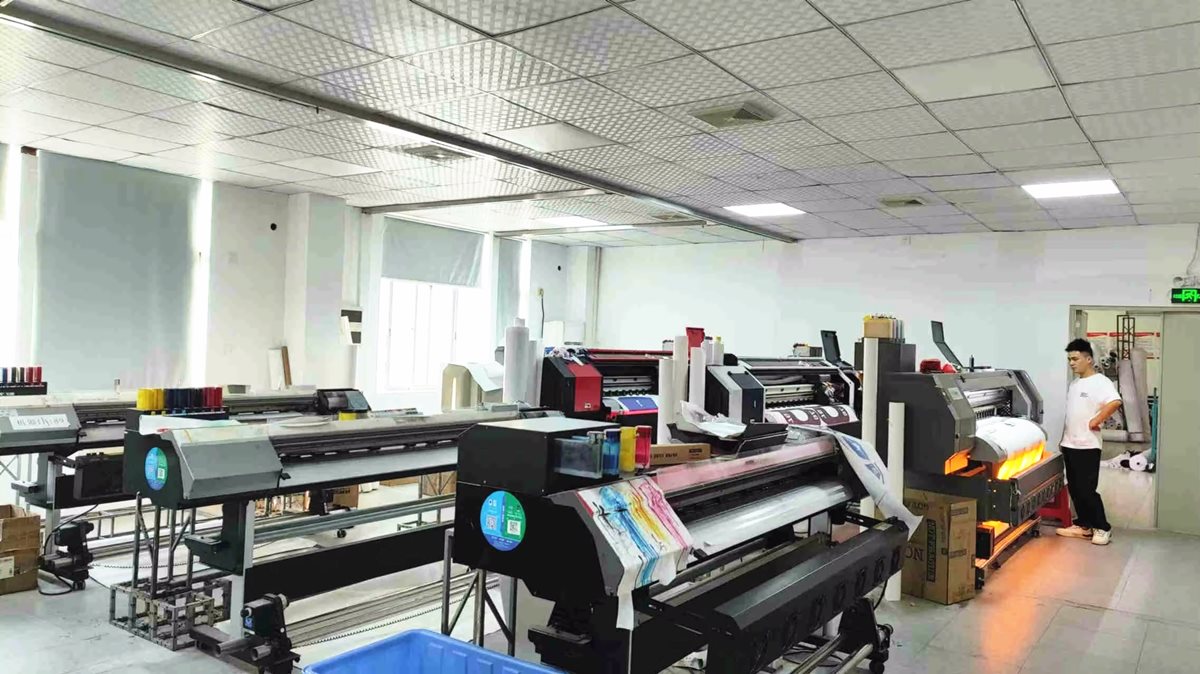
A closer look at our machinery, processing lines, and quality control systems designed for complex outerwear engineering.
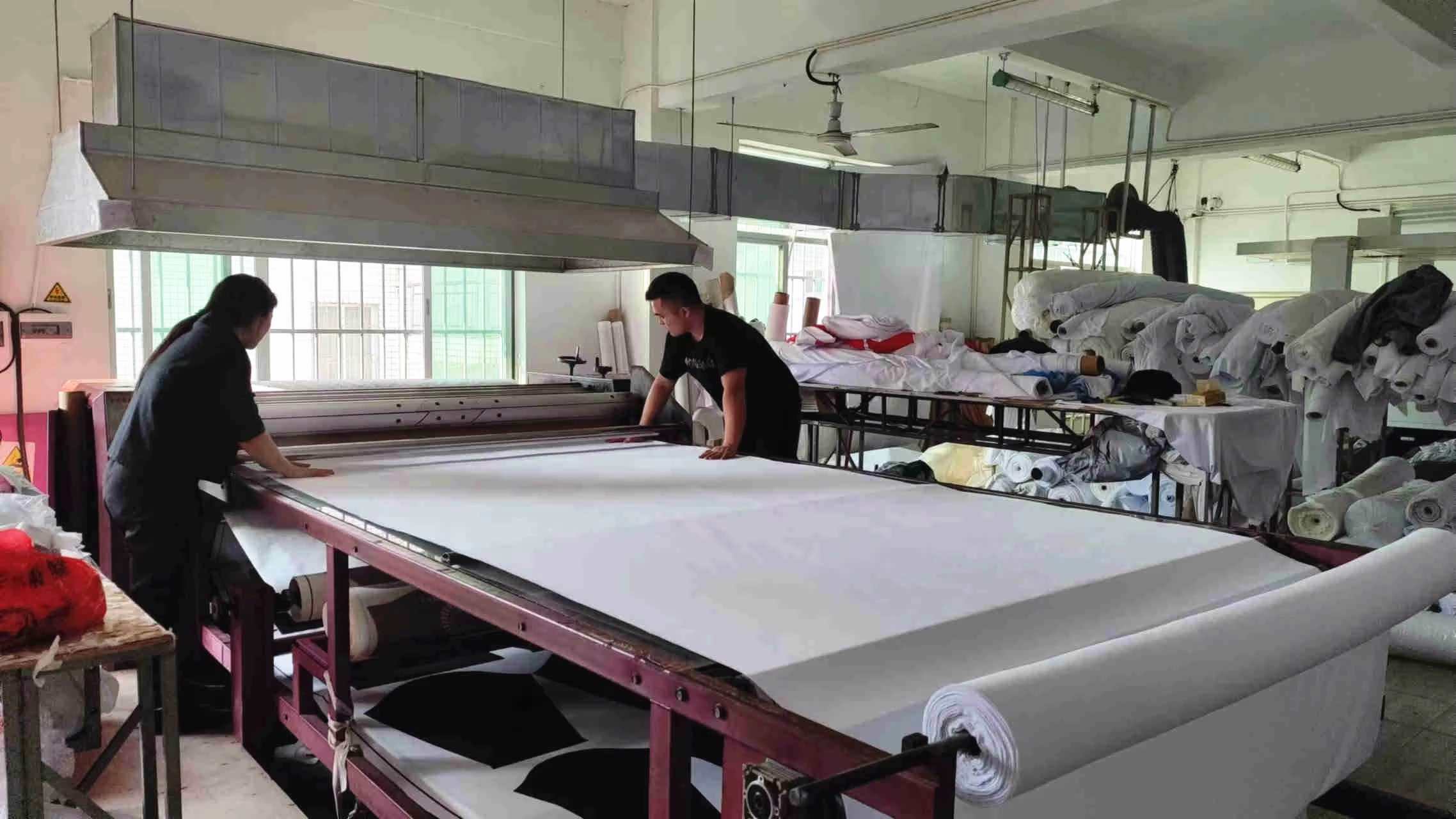
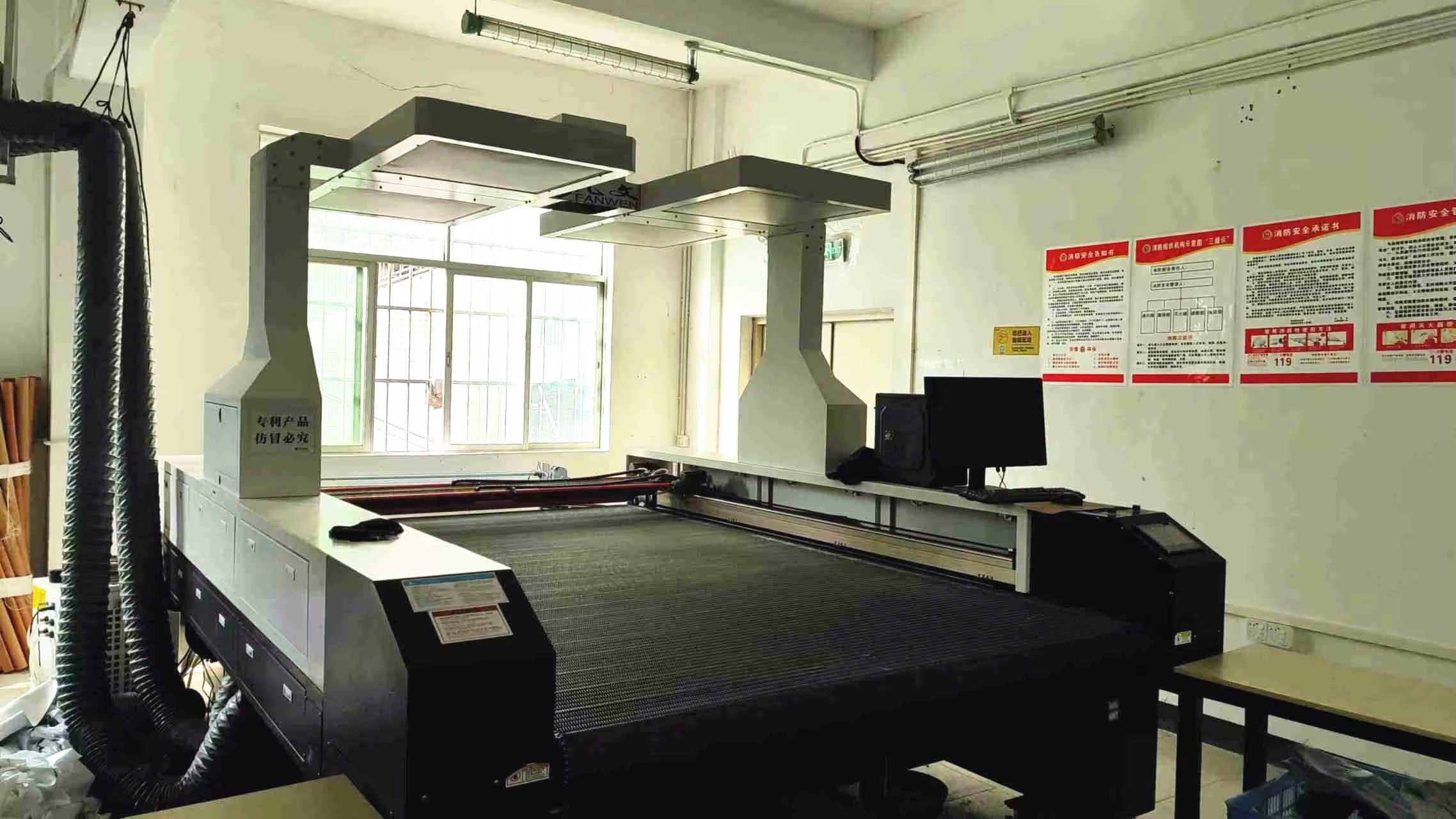
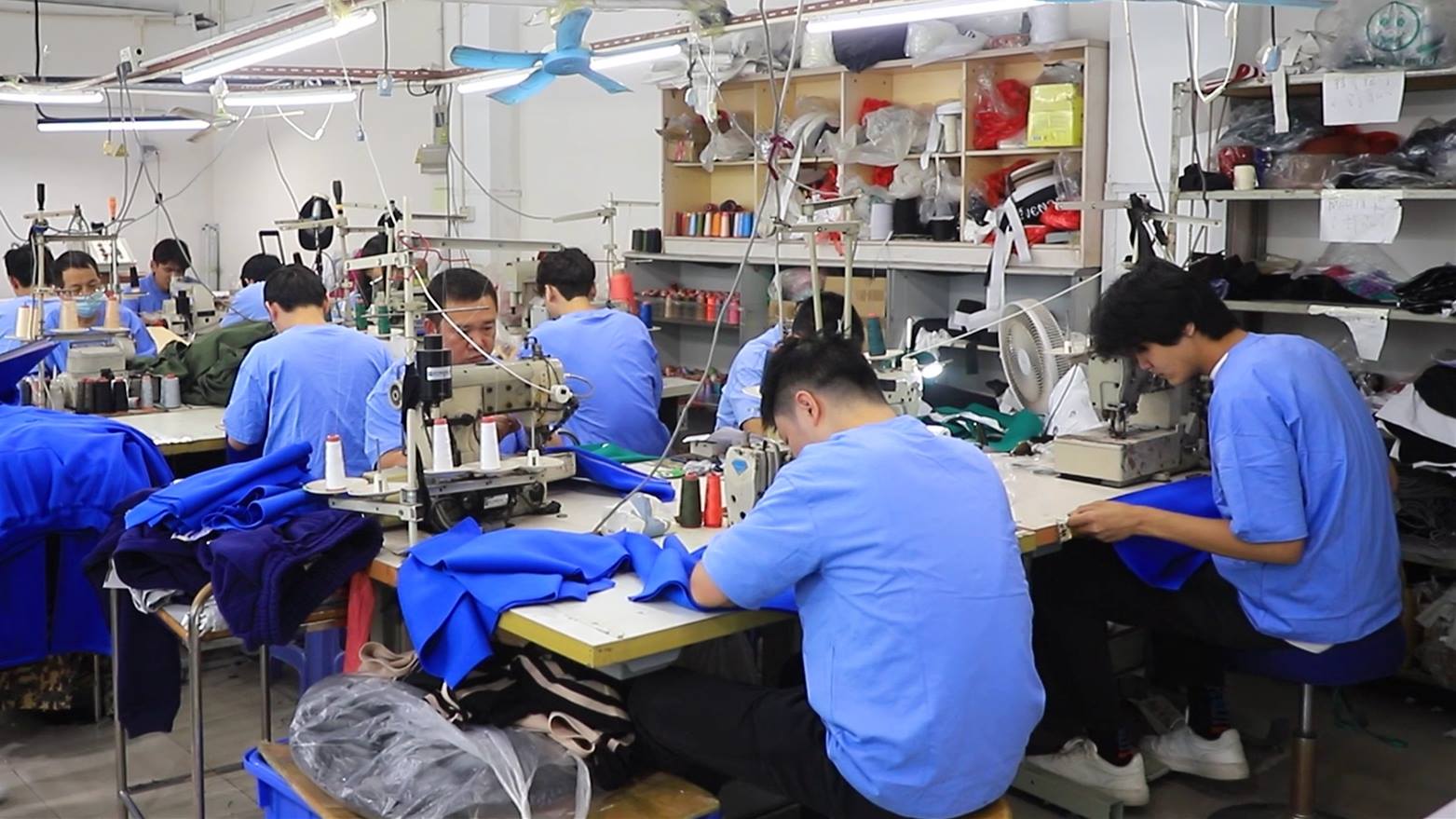
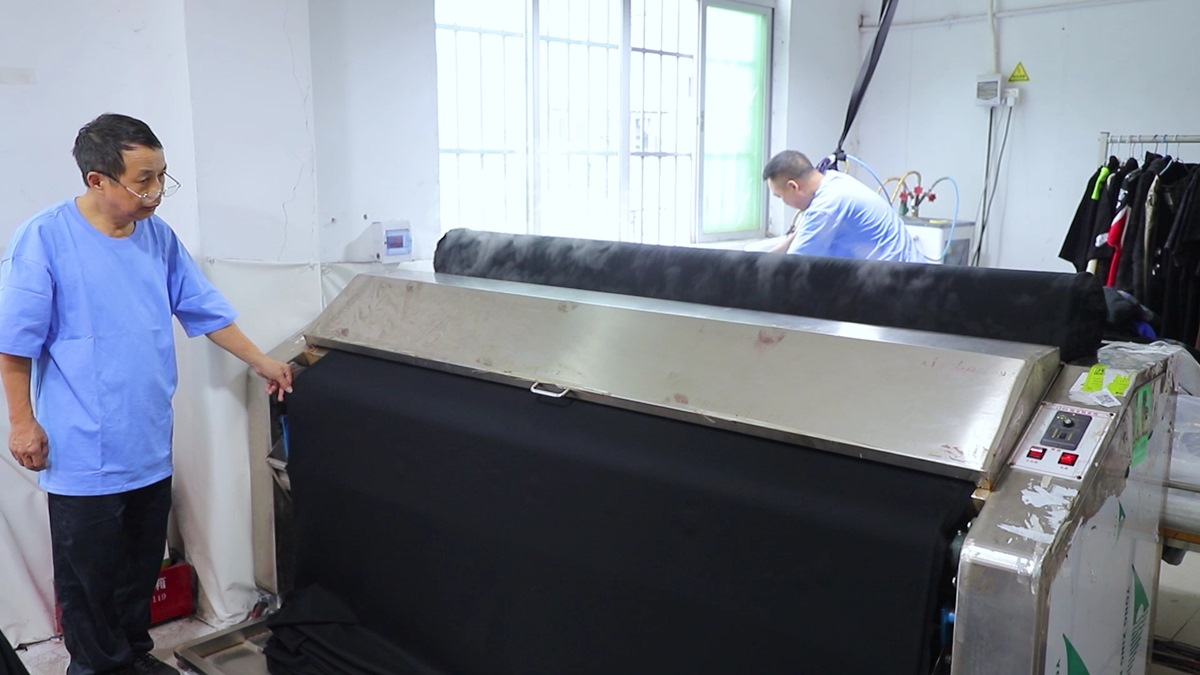
Aligning factory output with the future of digital product creation and strict ecological regulations.
The convergence of fashion and outdoor functionality requires a systematic approach to production. Sourcing operations should prioritize manufacturers that use digital pattern design (CAD) alongside automated laser cutting. This integration minimizes human error, improves material utilization, and shortens sampling cycles from weeks to days. Automated sewing, automated pocket-welding, and computerized heating presses ensure consistent quality across production batches.
Additionally, modern supply chains require robust localized support and clear customs documentation. A factory must handle international logistics, customs declarations, and compliance tests efficiently. Providing clear documentation, including certificates of origin and laboratory test reports, helps B2B buyers navigate international trade smoothly and minimize regulatory delays at entry ports.
Critical engineering and logistics questions answered by our technical design team.
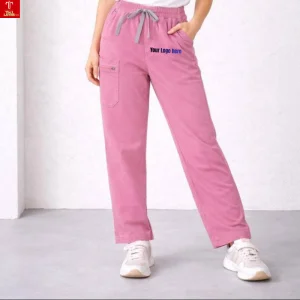
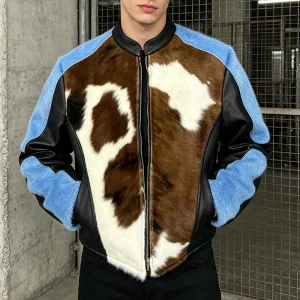
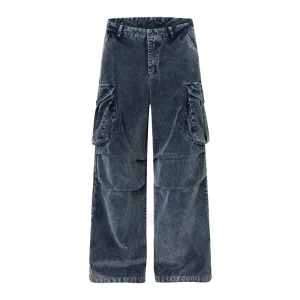
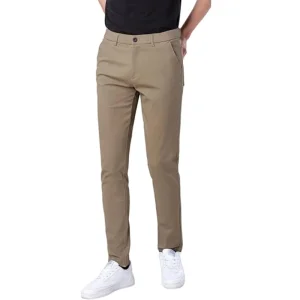
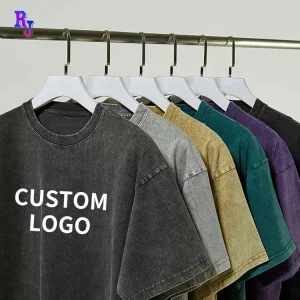
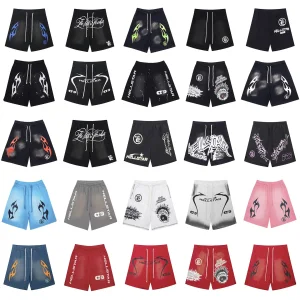
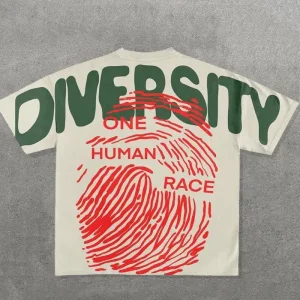
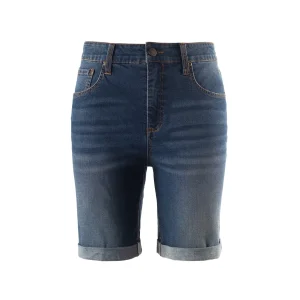
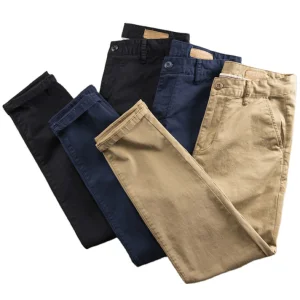
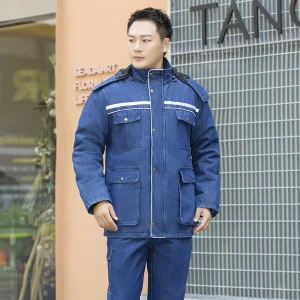
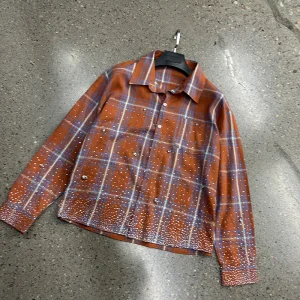
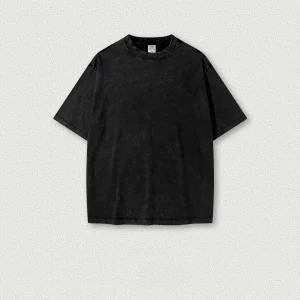
Explore our comprehensive custom catalog, including street outerwear, custom denim, and casual pants.
 NovaFair Fashion