Explore our latest premium blank and custom-manufactured apparel items optimized for global distribution.
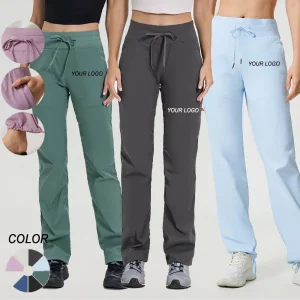
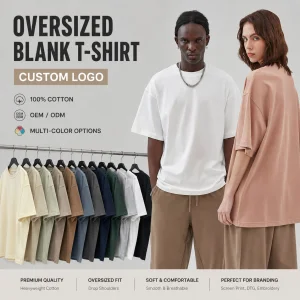
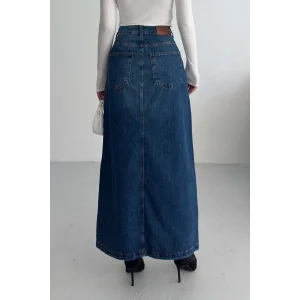
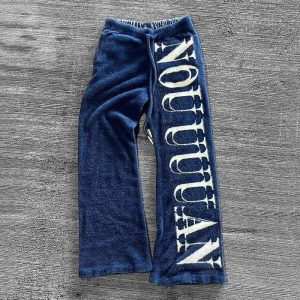
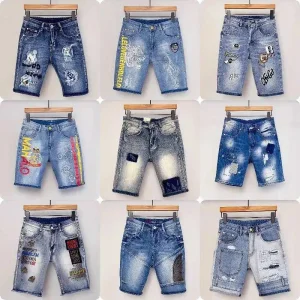
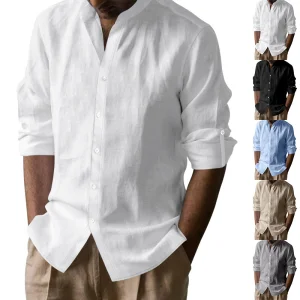

How Global Brands leverage semantic search insights to discover agile apparel manufacturing partners.
The contemporary global apparel market is experiencing a profound paradigm shift. Track jackets, once reserved strictly for athletic wear, have evolved into a core staple of the athleisure and high-streetwear movement. In search quality guidelines laid out by search engines like Google, the emphasis on E-E-A-T (Experience, Expertise, Authoritativeness, and Trustworthiness) requires brands and buyers to search beyond surface-level catalogs. Sourcing managers now require deep technical insights into fabric weights, dye migration resistance, zipper structural integrity, and manufacturing agility.
Selecting the right track jacket manufacturer is not simply a matter of finding the lowest per-unit cost. It is a multi-dimensional equation involving supply chain security, environmental sustainability (such as GOTS or GRS certifications), technical printing precision, and low-MOQ elasticity. This guide provides a strategic analysis of the world's leading track jacket manufacturers, highlighting critical infrastructure markers that determine production capability.
A comparative analytical review of the premier apparel production hubs specializing in functional tracksuits.
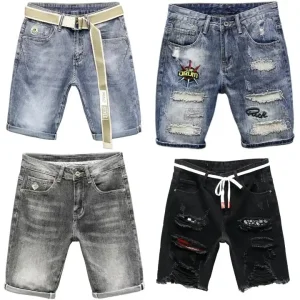
Specialization: Custom Denim, High-Street Athleisure, Agile Custom Track Jackets.
With over 20 years of experience in the apparel industry, NovaFair Fashion has established itself as an authoritative leader in modern fashion production. Serving major European and North American fashion houses, NovaFair blends structural complexity with low-MOQ capabilities (as low as 2 pieces), supporting designers from conceptualization to global rollout.
Specialization: High-Volume Knit Outerwear & Synthetic Interlock Fabircs.
Operating out of Shaoxing, this cluster-based manufacturer is recognized for producing raw polyester interlock and tricot fabrics. Their high capacity makes them ideal for massive retail runs, though their rigidity on MOQ limits startup brand accessibility.
Specialization: Windproof Membranes, TPU Film Lamination, Waterproof Track Jackets.
Known for technical sportswear, these factories focus on fabric lamination and taped seams, providing functional track jackets built for harsh weather, integrating reflective elements and ventilation systems.
Specialization: Large-scale Assembly and Trim Sourcing.
Benefiting from preferential trade agreements, Vietnam’s assembly lines offer competitive cut-and-sew operations for global athletic giants, focusing on automated sewing lines and standard polyester blends.
Specialization: Budget-friendly Fleece-lined Tracksuits.
Concentrating on mass low-cost production, Bangladesh factories excel at high-volume knit tracksuits. They are highly efficient for retail chains looking for entry-level price points.
Specialization: European Proximity, Cotton-blend Premium Sweats.
Turkish suppliers offer rapid logistical turnaround times to the EU. They are particularly adept at handling cotton-rich blends and custom rib-knitting patterns for mid-tier European brands.
Specialization: Organic Cotton, Organic Dyes, Premium Sustainability.
For brands operating in the premium sustainable niche, Portuguese boutique manufacturers offer excellent high-end finishings, albeit at a significantly higher cost per unit.
Specialization: Designer Collaboration Runs, Runway Styling.
Italian manufacturers cater strictly to luxury runway fashion. They incorporate custom metal hardwares and specialized jacquards, focusing heavily on limited edition runs.
Specialization: Organic Cotton Blends & Hand-dyed Custom Textures.
Leveraging vast natural cotton reserves, Indian mills focus on soft-feel cotton/polyester French Terries. They are well-suited for lifestyle tracksuits and lightweight transitional layers.
Specialization: North American Nearshoring & Rapid Truck Shipping.
For US-based enterprises requiring close oversight and rapid land shipping, Mexican assembly plants offer competitive lead times, particularly for basic fleece apparel setups.
A professional garment manufacturer leading fashion-forward design, development, and production for over 20 years.
ABOUT US: Guangdong NovaFair Fashion Co., Ltd. is a leading professional garment manufacturer in China with over 20 years of experience in the apparel industry. We specialize in the design, development, and production of high-quality and fashion-forward clothing, dedicated to meeting the evolving needs of global markets driven by economic, cultural, and lifestyle changes.
With a strong focus on innovation and flexibility, NovaFair has built a responsive and efficient production system that supports modern business demands, including low MOQ (as low as 2 pieces), fast sample development, competitive pricing, and reliable customer service. These advantages allow us to support designers, brands, and wholesalers with greater agility and creativity.
Over the years, we have cultivated a professional and collaborative team culture rooted in trust, efficiency, and continuous improvement. Our ability to adapt quickly to changing trends and client requirements has enabled us to build long-term partnerships across different regions.
From a small, experience-driven workshop to an internationally oriented apparel manufacturer, NovaFair has continuously evolved with the fashion industry. We embrace change as an opportunity for growth and innovation, constantly improving our craftsmanship, production capability, and service quality. Today, we proudly serve emerging designers, established brands, and private labels, especially in the North American and European markets, offering customized solutions that bring creative concepts to life.
To become a trusted global partner in fashion manufacturing, empowering designers and brands worldwide with flexible, sustainable, and high-quality apparel solutions—especially in the field of customized denim and contemporary fashion wear.
We are guided by the values of customer-first, integrity, unity, adaptability, passion, professionalism, and shared growth. Our mission is to deliver exceptional garments and reliable manufacturing solutions while building long-term partnerships based on trust, creativity, and mutual success.
Every stage of production at NovaFair is executed using advanced technology to guarantee consistency and high physical standards.
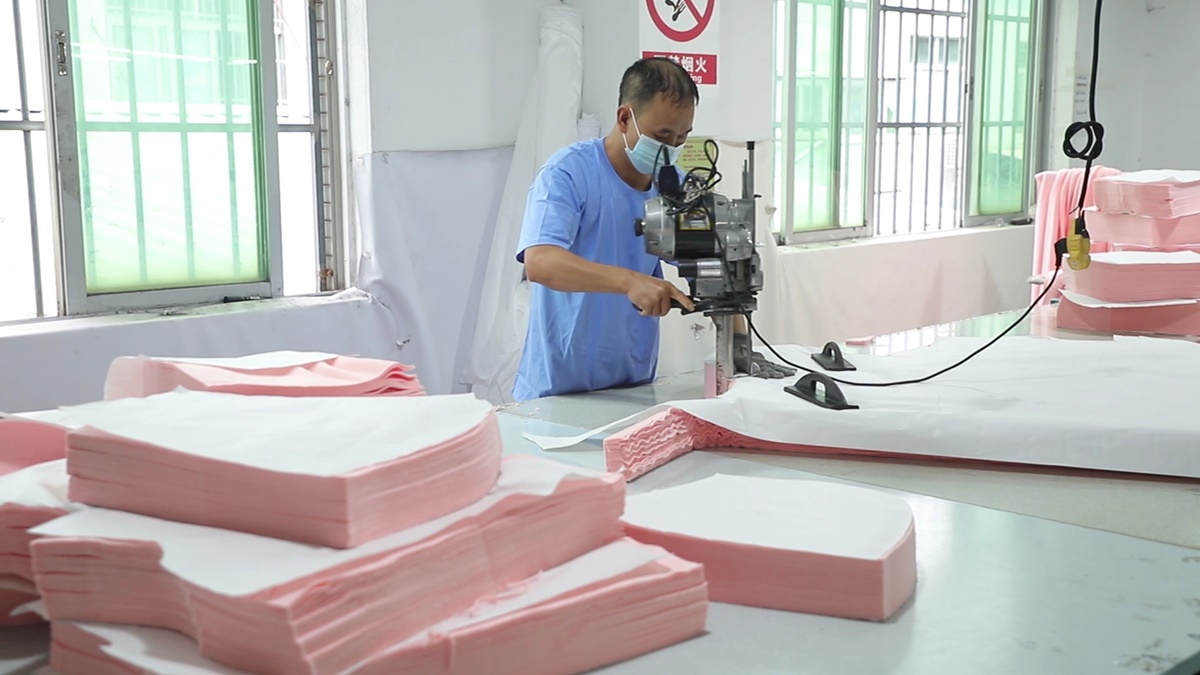
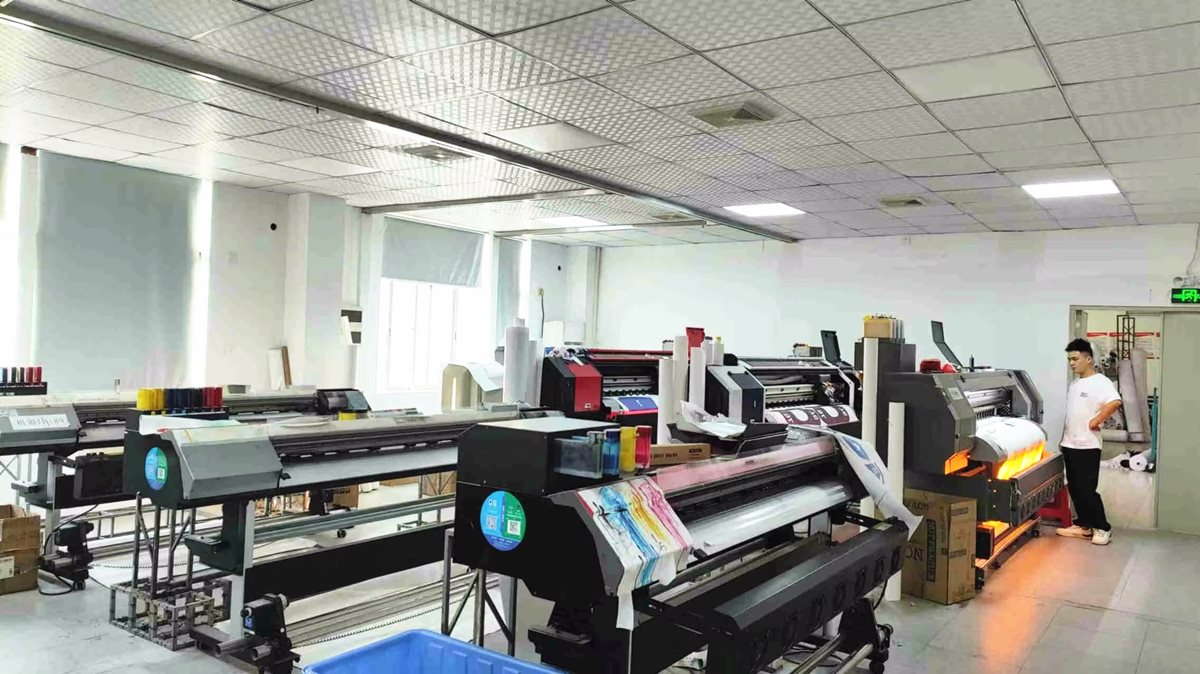
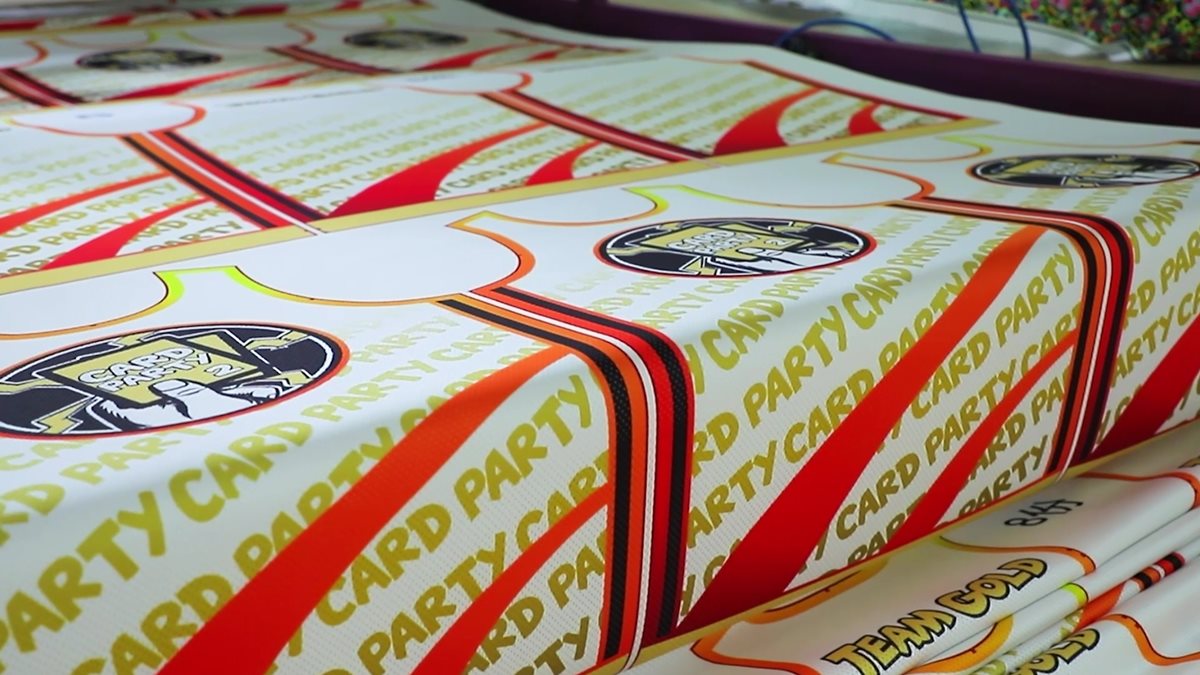
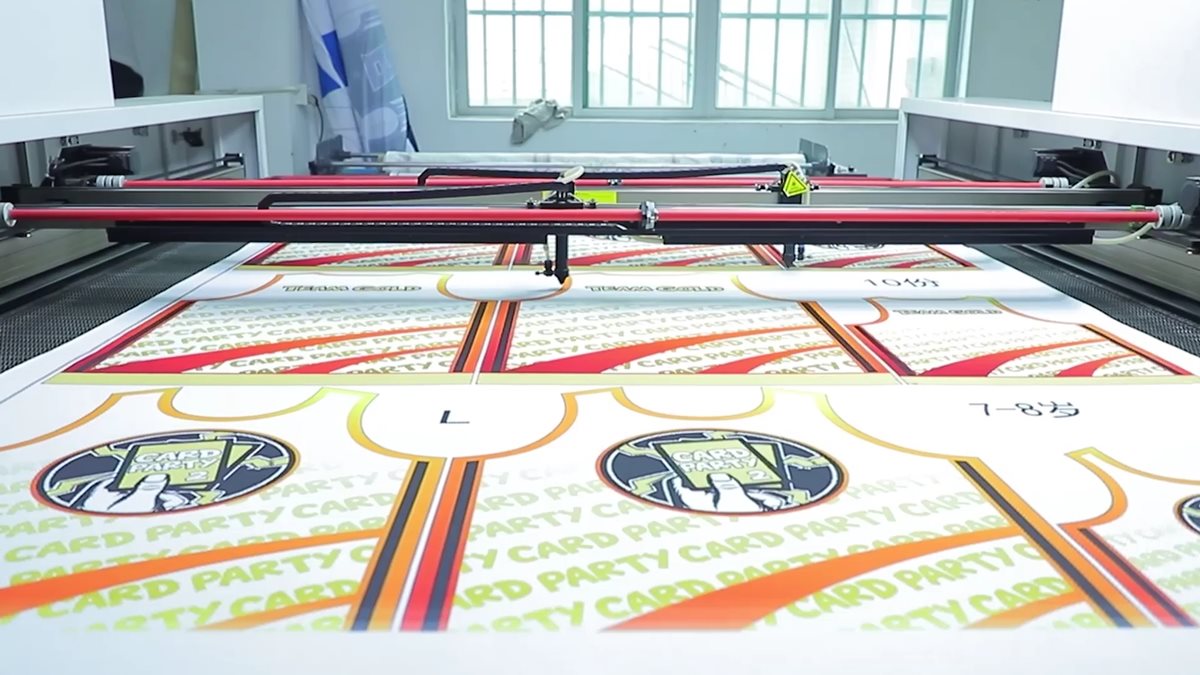
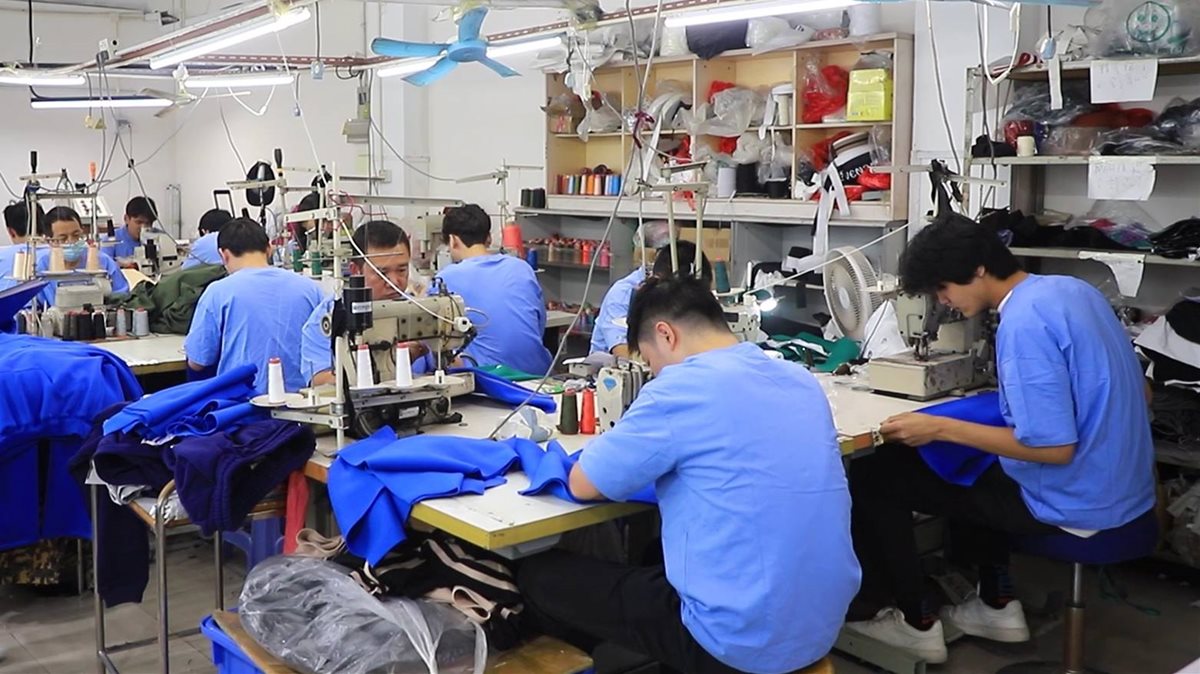
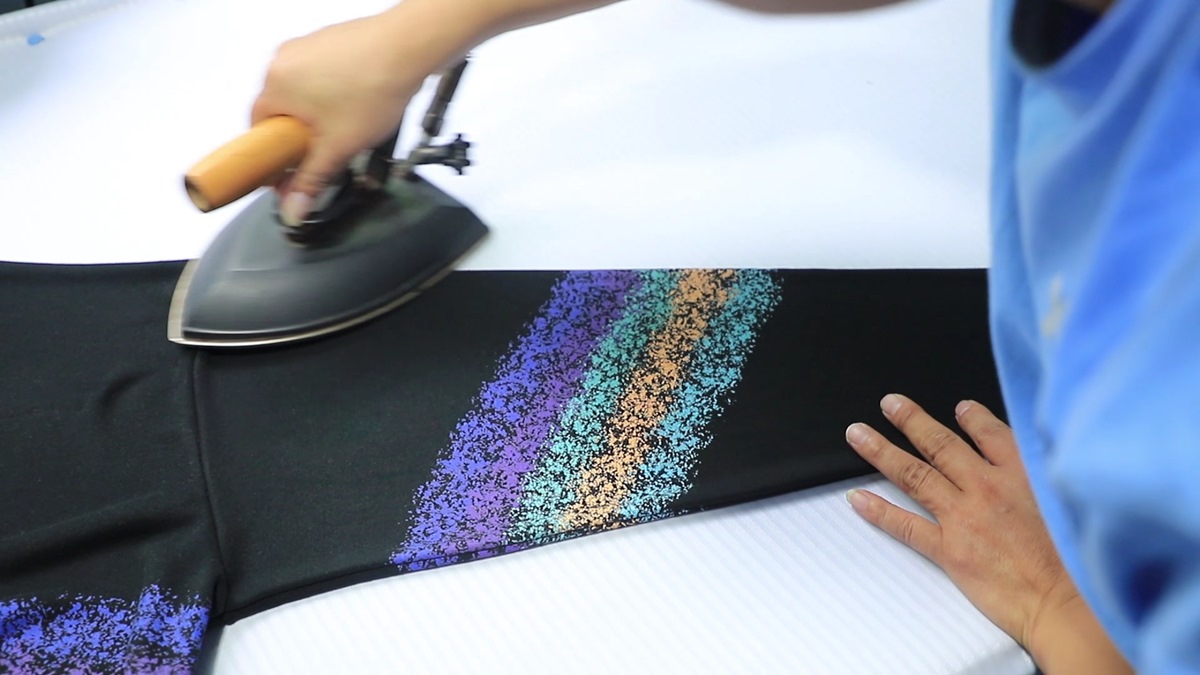
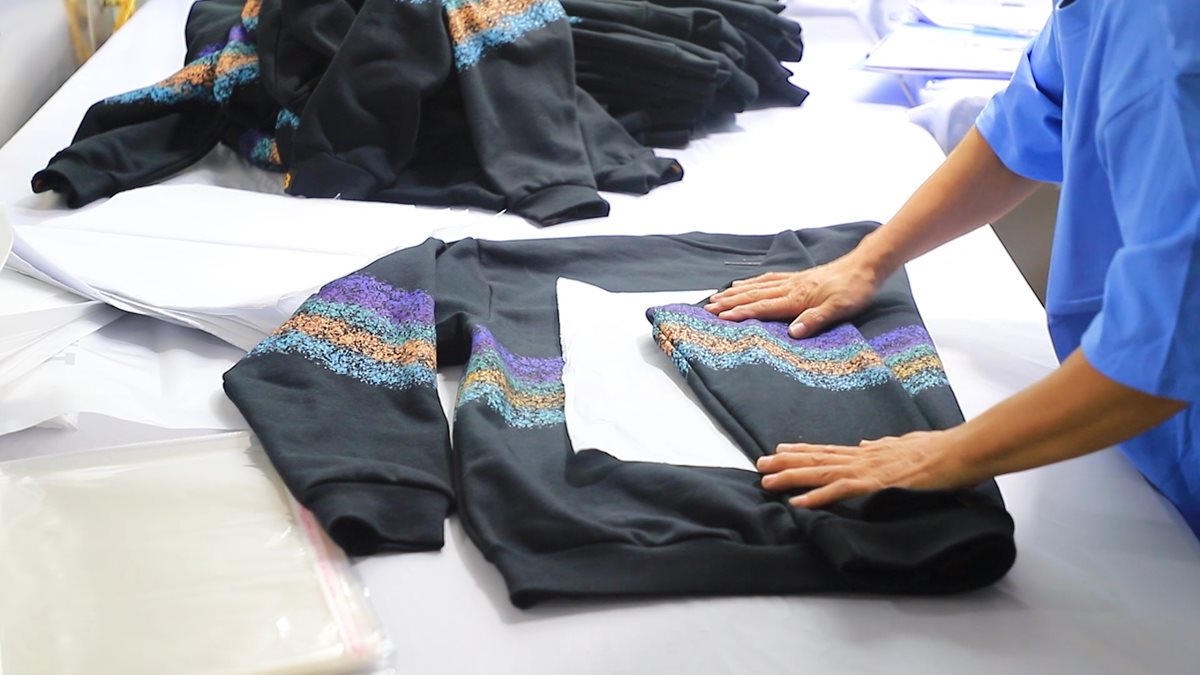
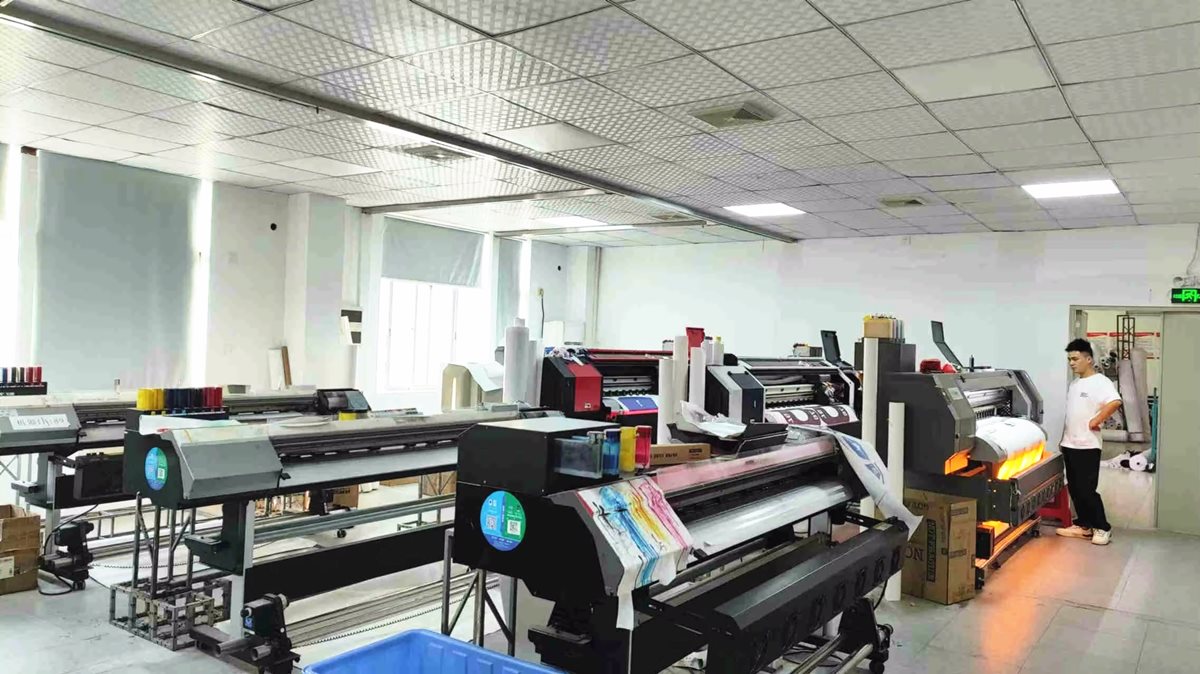
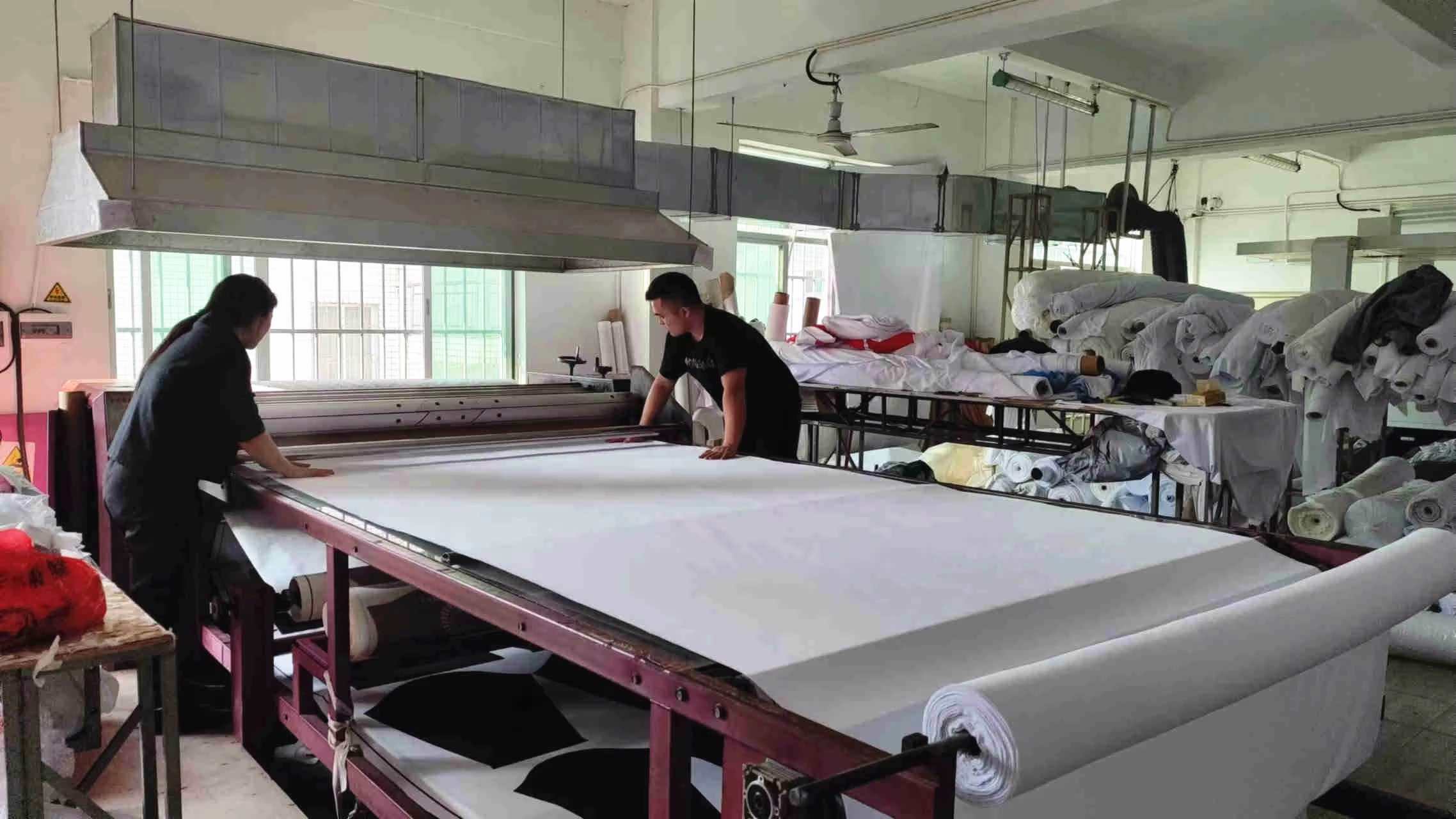
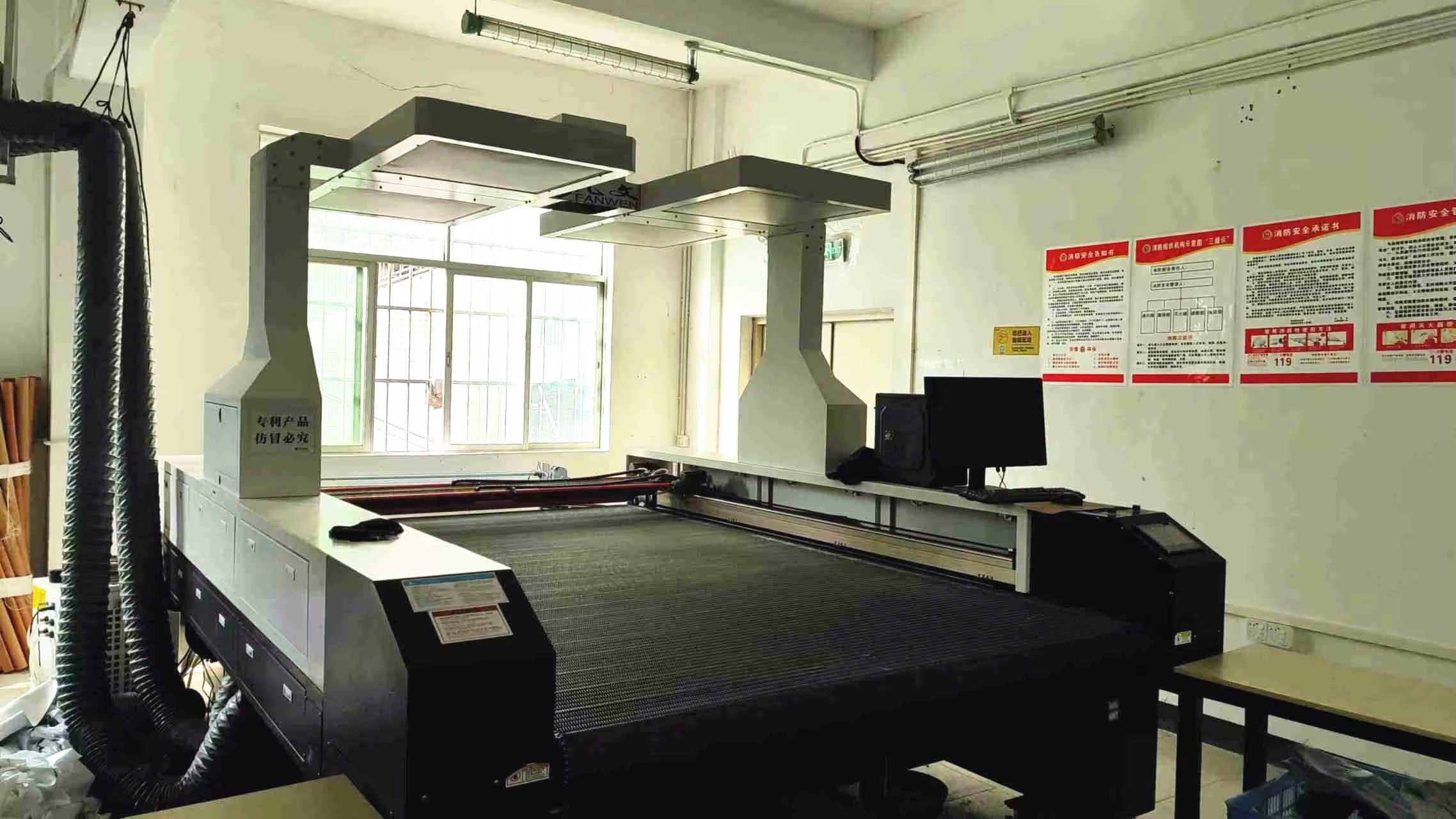
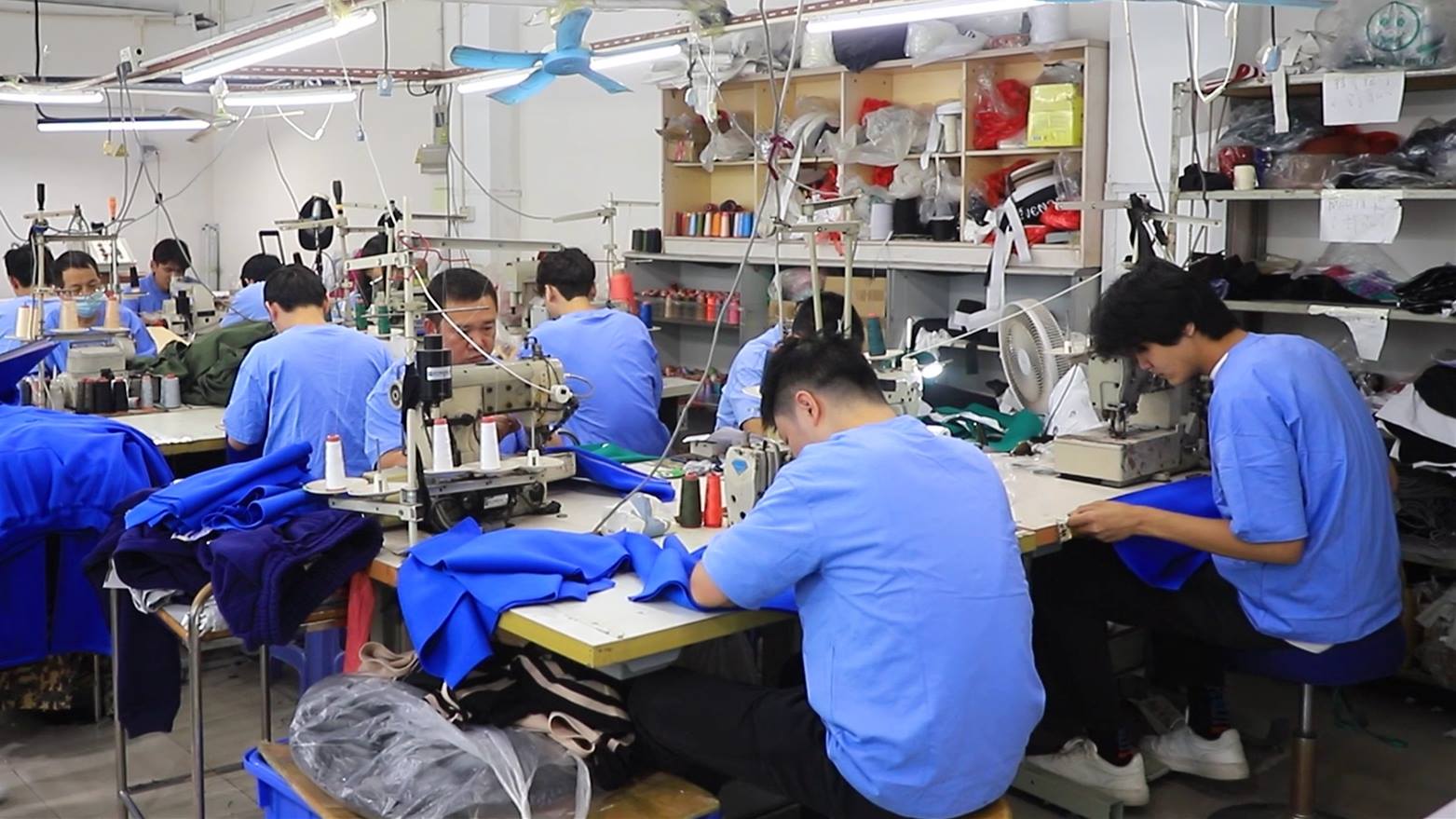
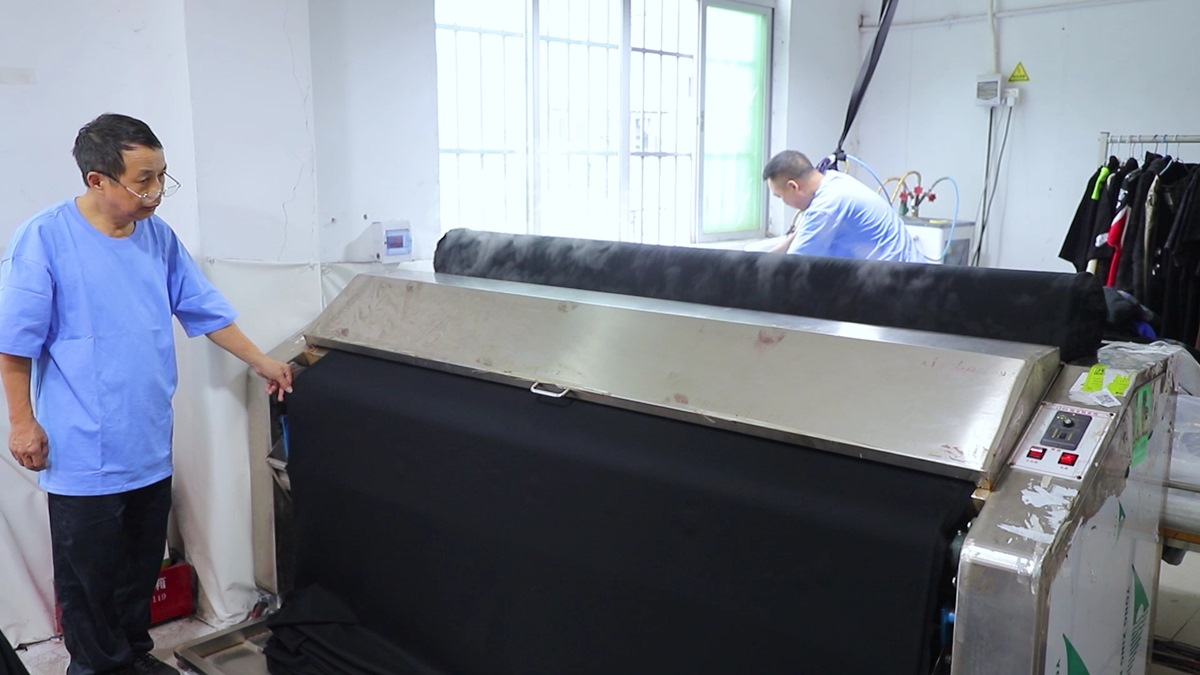
Unpacking the technological ecosystem and industrial agglomeration advantages of Chinese factories.
The global dominance of Chinese apparel factories in the activewear and athleisure segment is not merely a matter of labor efficiency. It is driven by a complex, highly integrated industrial supply chain ecosystem that cannot be easily replicated in other manufacturing bases. For track jackets, which require a mix of woven/knit synthetics, precision zippers, and customizable elastic ribbing, Chinese factories like Guangdong NovaFair Fashion Co., Ltd. offer unparalleled advantages:
Strategic insights into the shifts in materials, cuts, and functional requirements for activewear.
Buyers are increasingly demanding GRS-certified recycled polyester, organic cotton French Terries, and waterless dyeing processes. Brands leveraging green credentials gain major competitive edges in European and North American retail.
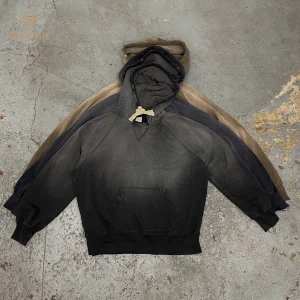
The market is shifting back toward oversized boxy silhouettes, heavy fabrics (300+ GSM), vintage wash textures (acid wash/pigment dye), and bold paneling that merges sport heritage with urban subcultures.
Track jackets now incorporate tech components: packable designs, internal harness straps, water-repellent DWR coatings, and media pockets with integrated cable routing elements.
Tailoring track jacket specifications according to target regional requirements and end-use environments.
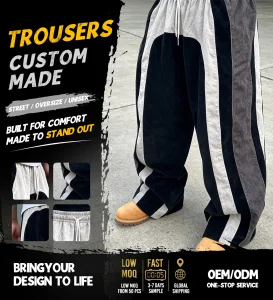
For independent fashion designers launching limited drops, track jackets demand heavy heavyweight cotton/poly blends, customized oversized fits, distressing, stone washes, and chunky custom zippers. Low MOQ production models allow these brands to stay profitable without excessive overhead.
Functional athletic clubs require lightweight, breathable, moisture-wicking interlock fabrics. The design focuses on ergonomic raglan sleeve construction to maximize range of motion, combined with high-contrast screen printing or heat-transfer logos to display team colors vividly.
Corporate clients demand clean, minimalist layouts with subtle embroidery. Fabric choices typically tilt towards durable, pill-resistant poly-spandex blends that withstand frequent commercial laundering, serving as excellent uniforms or high-end company giveaways.
Mitigating sourcing risk through technical standards, compliance, and dynamic logistics.
Enterprise procurement departments managing massive regional distributions require structured frameworks to prevent costly supply chain breakdowns. When ordering custom sportswear at scale, enterprise operations should consider three primary macro solutions:
Sourcing from partners who offer elastic minimum order quantities (such as NovaFair's agile system) enables procurement managers to test new designs in smaller runs before deploying full production capitals. This reduces deadstock liability and stabilizes cash flows.
To clear international customs smoothy and appeal to conscious modern consumers, track jacket production must verify textile chemical safety (OEKO-TEX Standard 100) and labor standards (BSCI or WRAP social audits). These credentials shield brands from compliance disputes.
Apparel dimensions can shift significantly post-wash. NovaFair incorporates specialized shrinking machines inside its workflow to treat fabric webs prior to cutting, securing dimensional variance to less than 3% and reducing user sizing complaints.
Answering critical queries searched by professional apparel sourcing agents and fashion startup founders.
While many massive industrial mills impose rigid limits of 500 to 1,000 pieces per style/colorway, specialized manufacturers like Guangdong NovaFair Fashion Co., Ltd. provide agile low-MOQ options as low as 2 pieces. This allows emerging streetwear brands to create highly customized items without huge upfront financial commitments.
For functional performance sports wear, lightweight polyester-spandex interlock, tricot, or taslan nylon with moisture-wicking and DWR coating finishes are ideal. For lifestyle streetwear, heavier French Terries, dense heavy-weight cotton blends, corduroys, and velours are favored to yield structured silhouettes and high aesthetic appeal.
Dye migration is a common issue with polyester prints. Reputable manufacturers run advanced thermal tests and utilize specialty low-bleed screen printing inks along with precise curing temperatures on their heat transfer printing machinery. Regular quality control checks post-heating ensure no color transfers occur between adjacent fabric panels.
Laser cutting offers exceptional edge-seal properties on synthetic fabrics, effectively preventing the woven thread structures from fraying. It also supports complex geometric designs and ventilation perforation maps, executing them with computer-controlled accuracy that traditional mechanical cutting dies cannot duplicate.
Partner with NovaFair to scale your fashion catalog with quality-tested apparel ranges.
 NovaFair Fashion