NovaFair Fashion

Industry Whitepaper: Global Sourcing Paradigms of Elastic Waist Apparel
An in-depth analysis of structural shifts in global activewear, comfort-first denim, and localized supply chain mechanics.
1. The Global Landscape of Elastic Waist Apparel
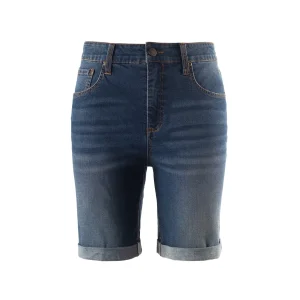
In the contemporary global apparel economy, the structural segment of elastic waist garments has evolved from home-lounge comfort wear into a dominant category spanning casualwear, specialized athleisure, and premium denim. Demographic studies indicate a structural transition in consumer preferences toward ergonomic, high-mobility clothing. Brands sourcing apparel must consider elastic waist shorts not merely as utility products, but as complex engineering designs demanding optimal tension distributions, high-cycle durability, and modern styling configurations.
Sourcing and procurement directors globally have registered high double-digit demand shifts in elastic waist styles. The convergence of sportswear mechanics with traditional denim and trousers has made advanced elastication technology critical. The elasticity module must sustain mechanical tension and stretch fatigue over hundreds of laundry cycles while retaining standard recovery profiles. Achieving this requires high-grade elastane blends, localized multi-needle chain stitching, and precision tension controls in automated factories.
"The modern consumer demands versatility. A single pair of elastic waist shorts must seamlessly transition from athletic activity to casual social events, requiring advanced structural fabric treatments and intelligent waist tension engineering."
2. Industrial Manufacturing Dynamics & The Guangdong Edge
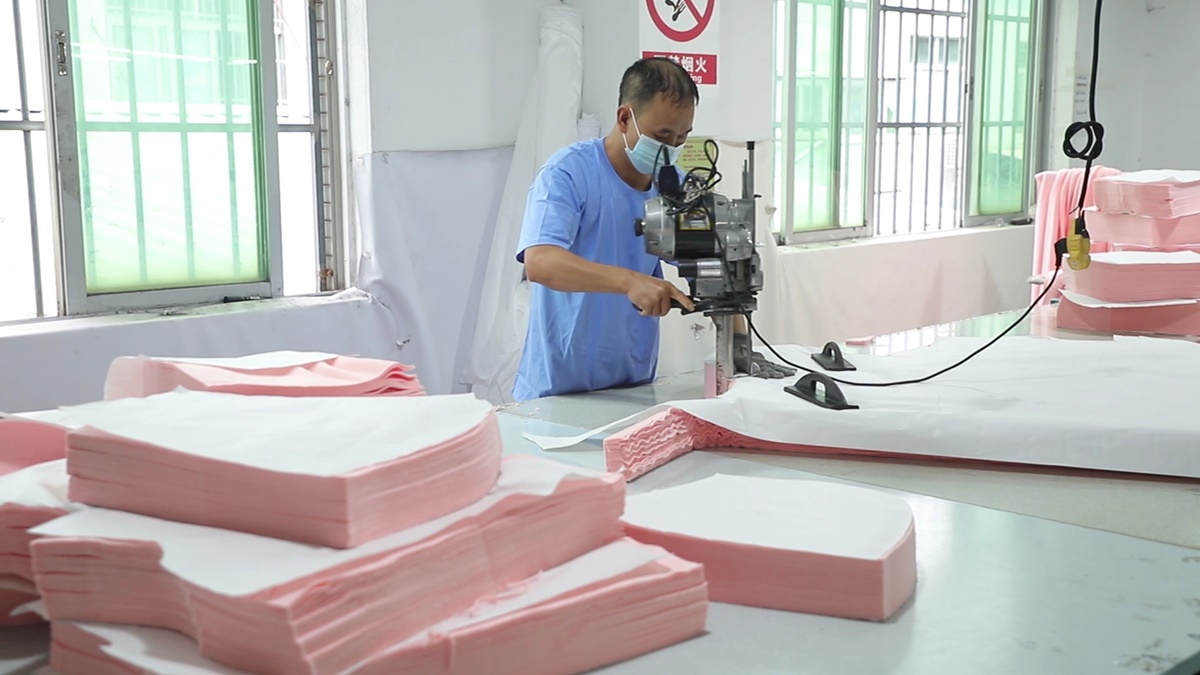
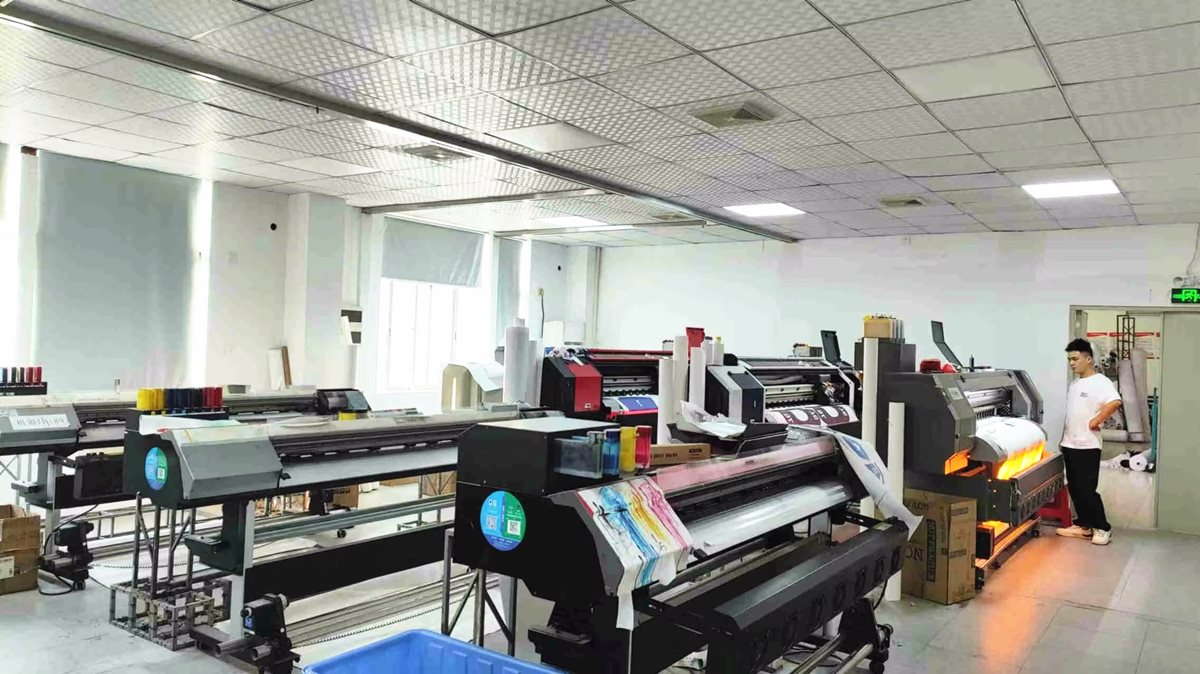
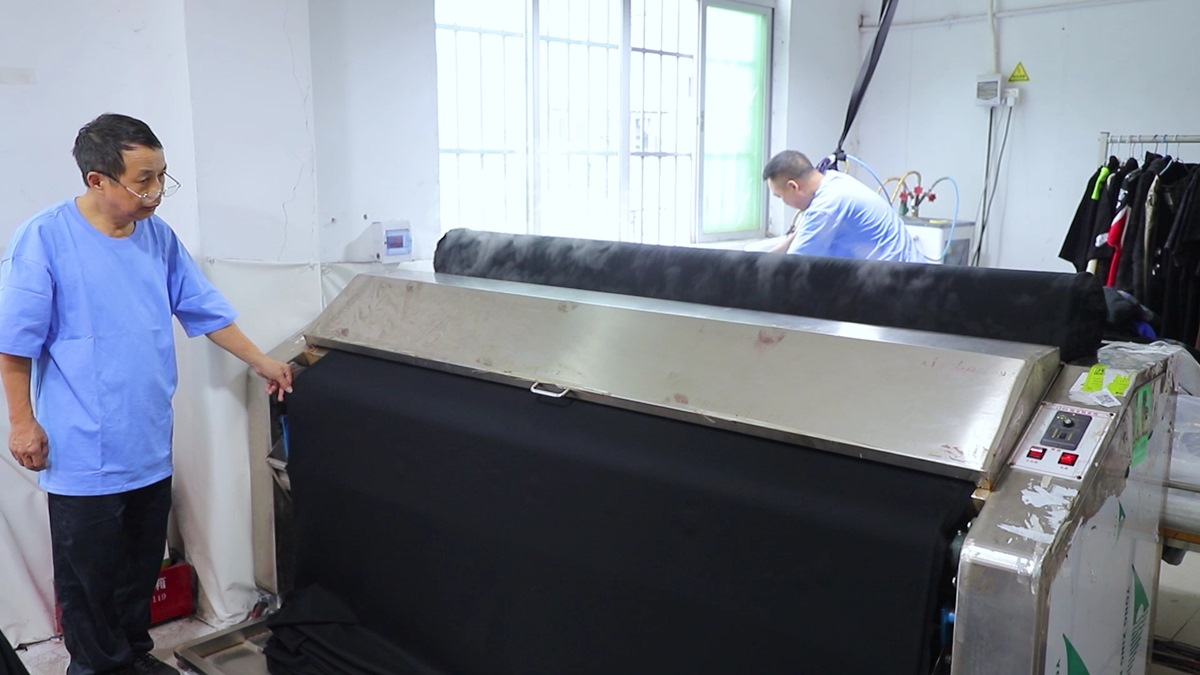
As the premium hub for global garment manufacture, Guangdong, China stands at the epicenter of automated clothing production. The Pearl River Delta cluster houses integrated upstream raw material supply zones, enabling rapid procurement of custom knit fabrics, heavy canvas, and high-performance poly-spandex blends. Factories operating within this region have immediate access to world-class dying, finishing, and advanced mechanical processing plants.
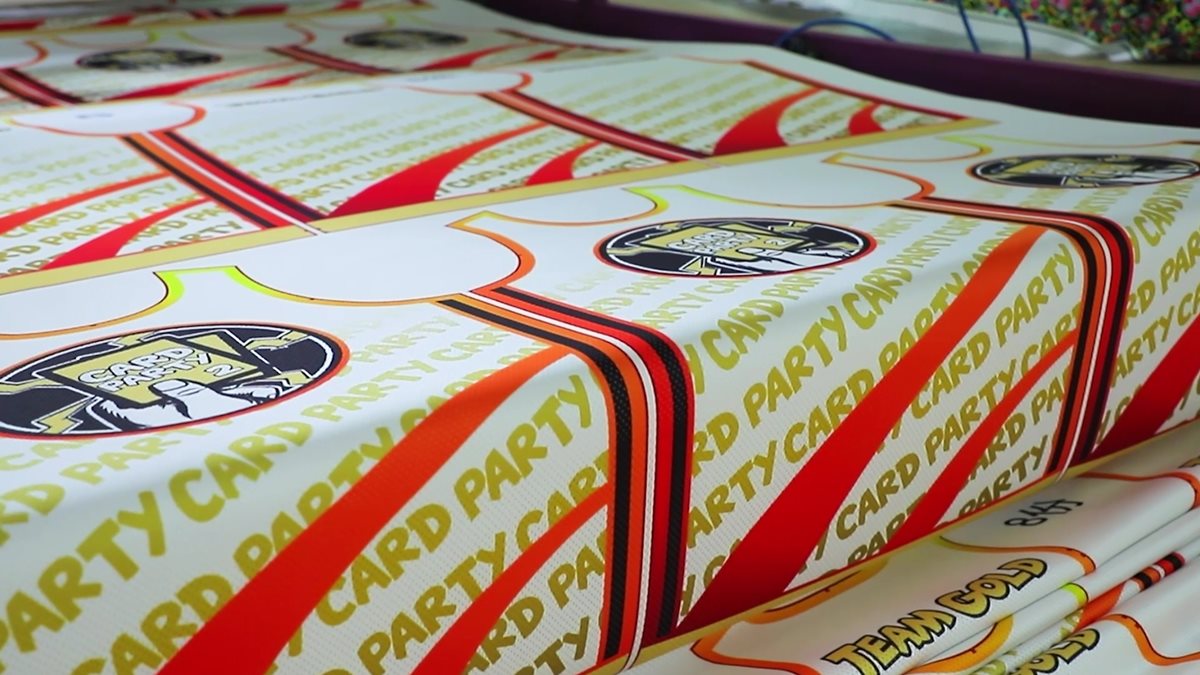
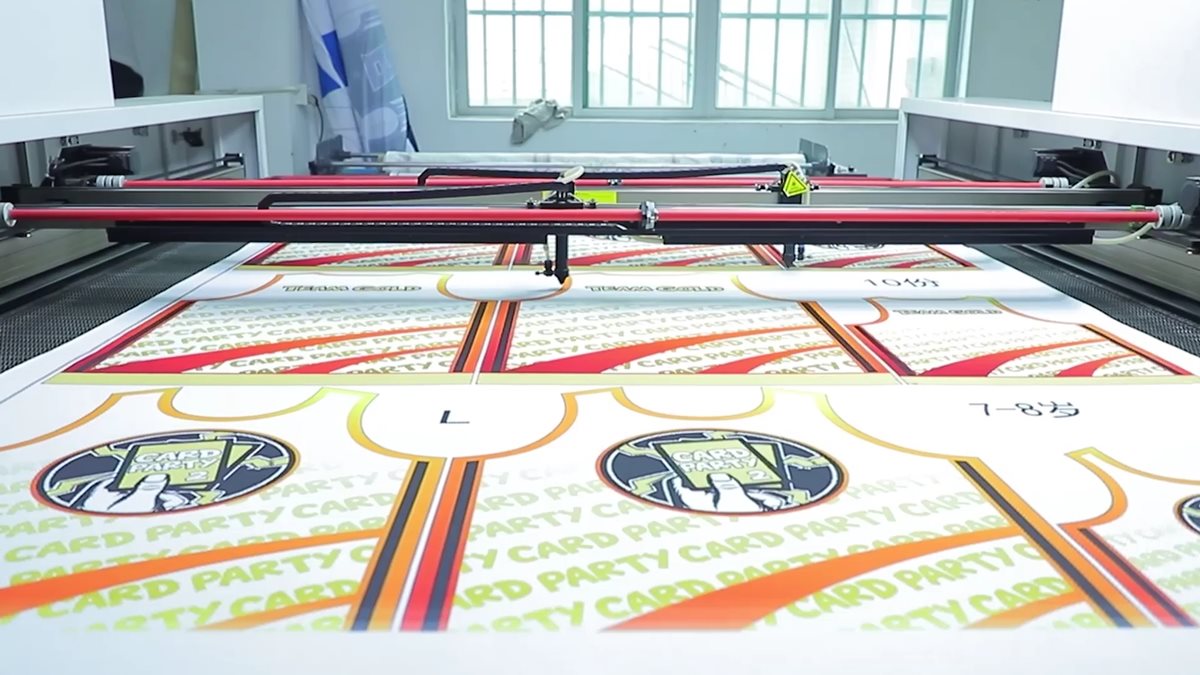
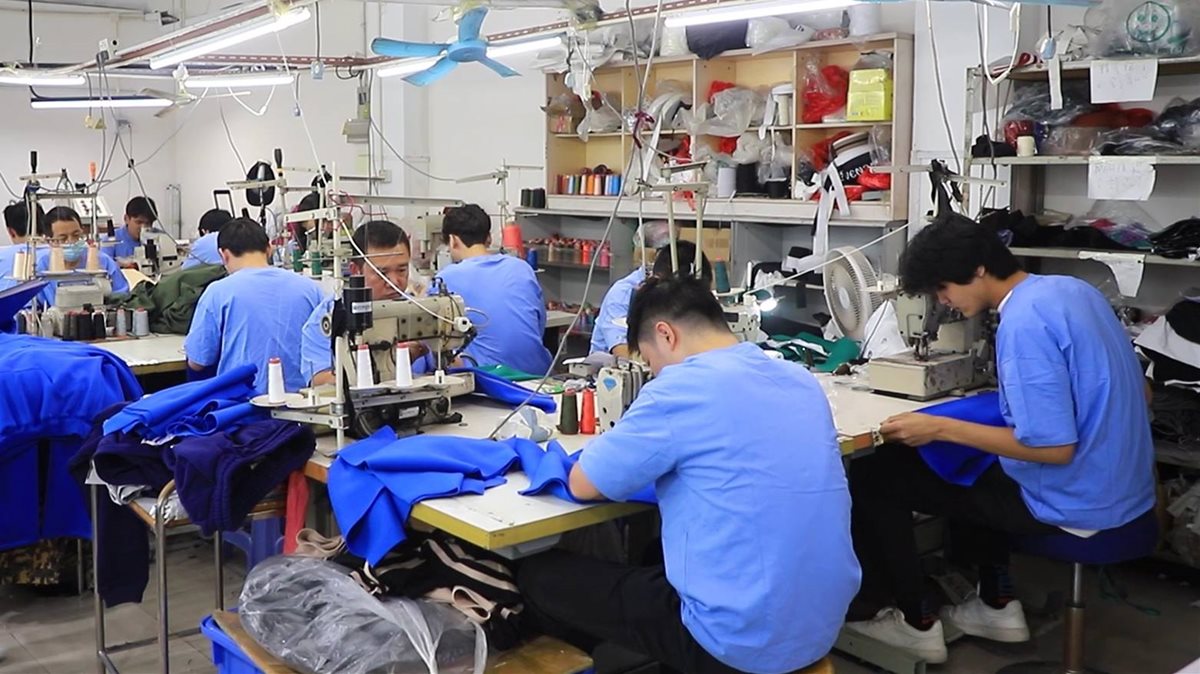
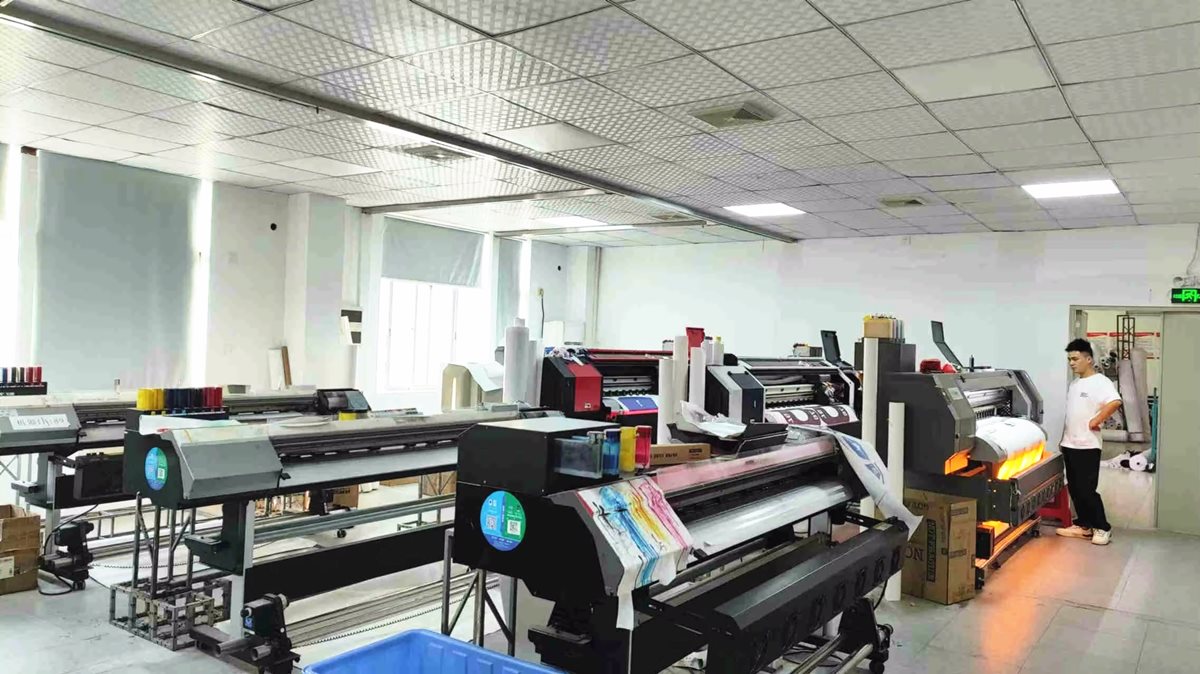
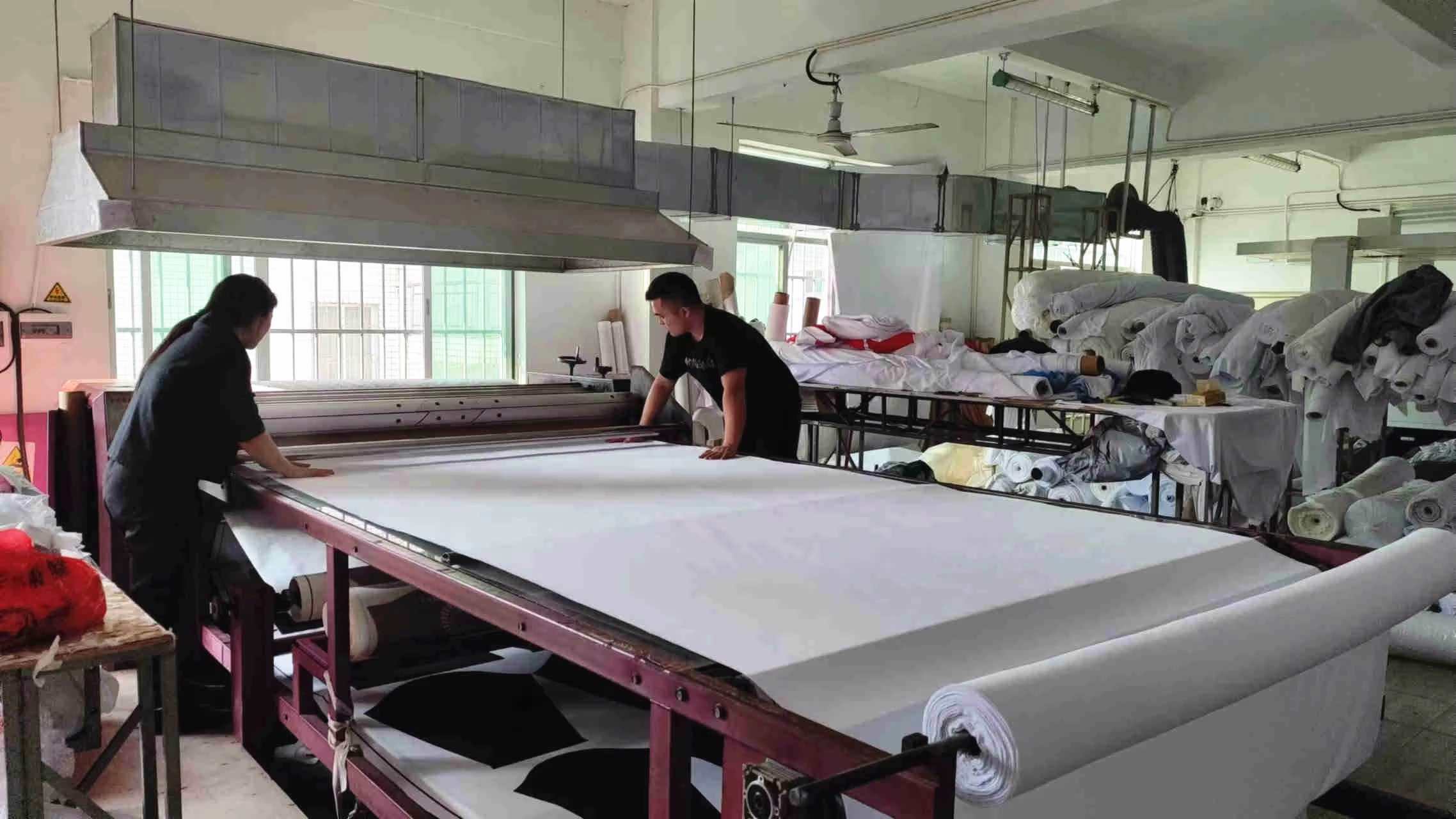
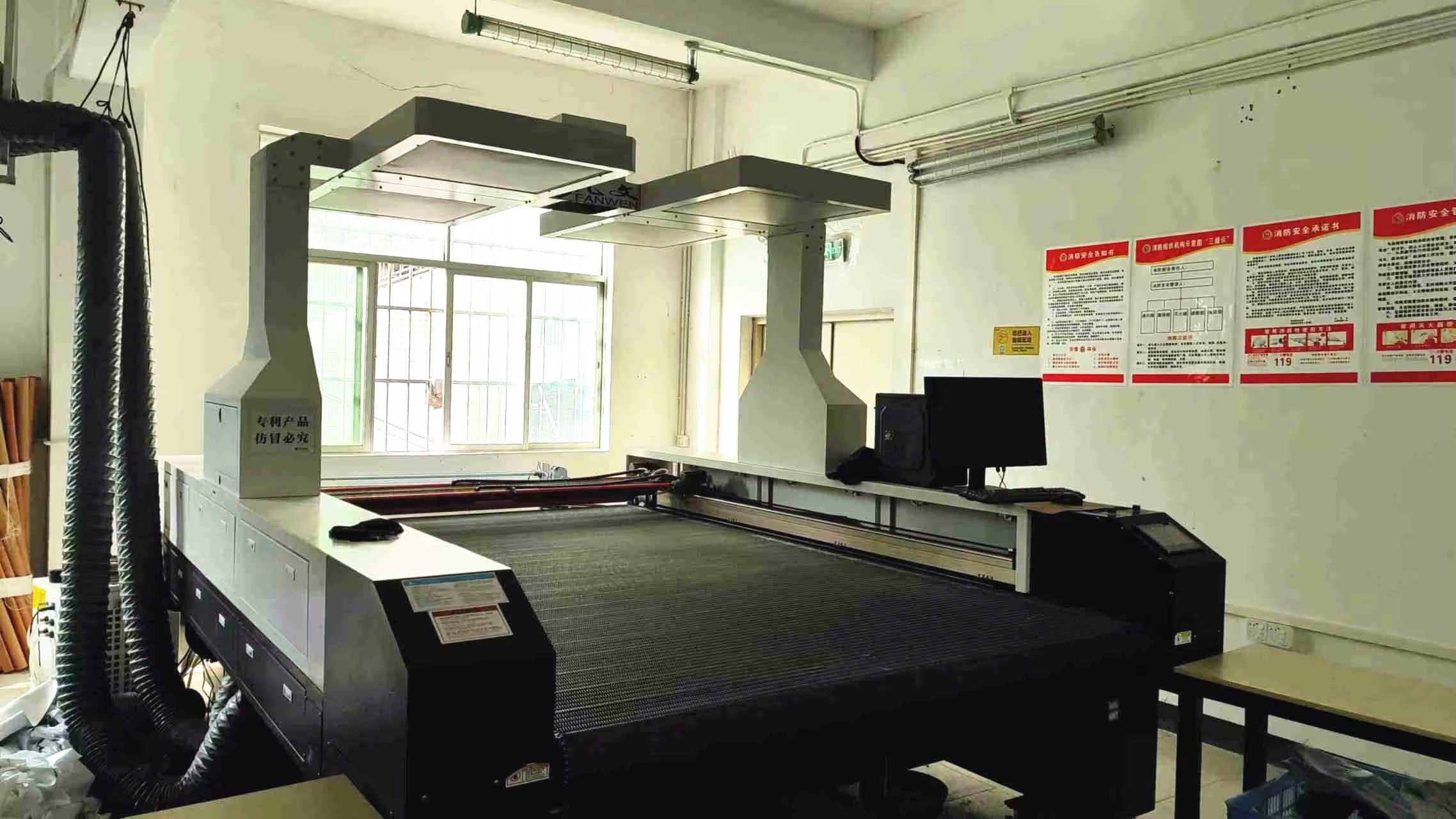
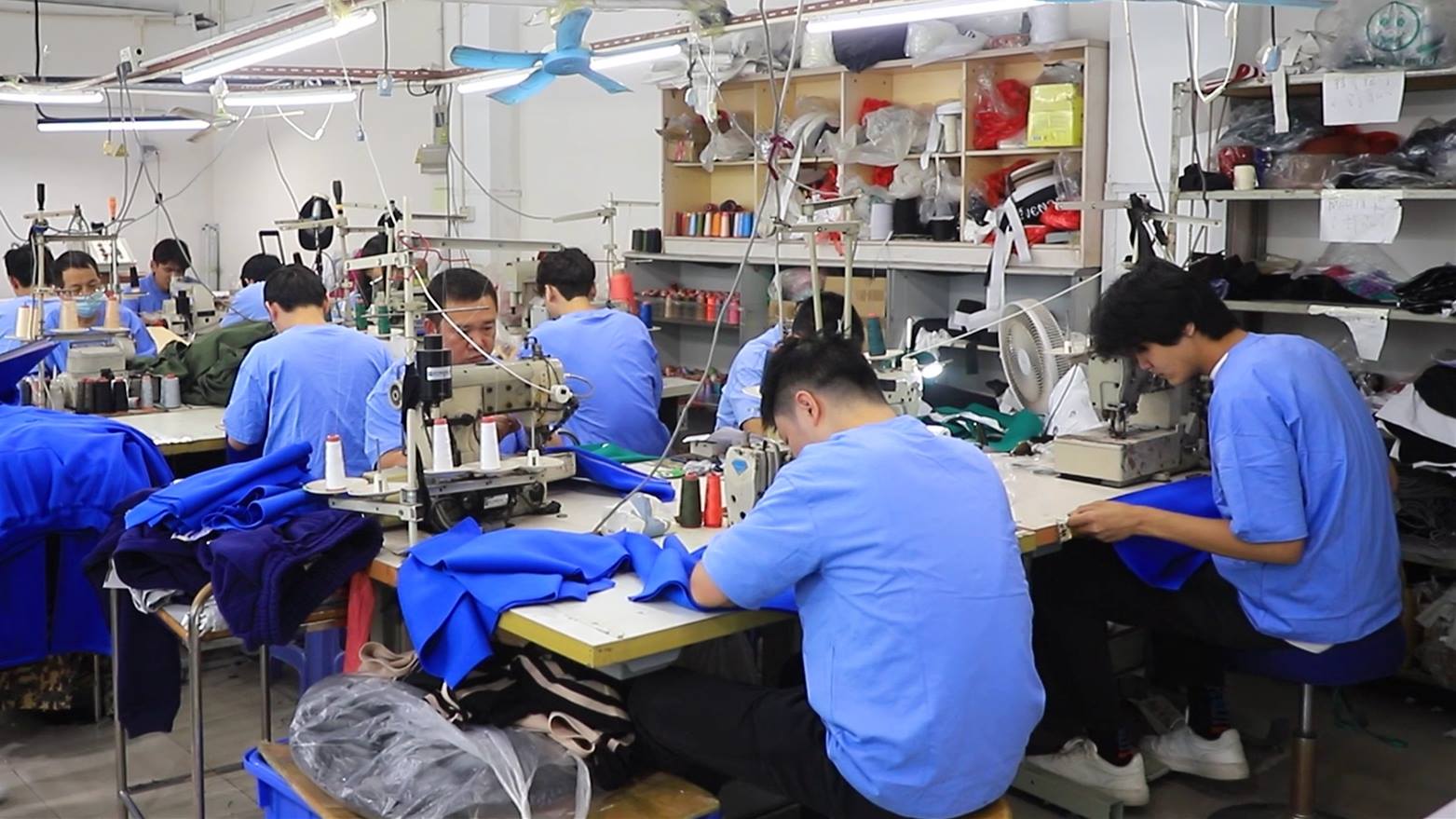
Guangdong NovaFair Fashion Co., Ltd. leverages this localized integration to optimize production lead times. The primary mechanical advantage lies in the integration of CNC sewing lines, laser fabric cutting machinery, and computer-guided placement. This level of factory automation ensures precision sizing tolerance down to 1.5mm, significantly lower than the standard industry variance. By integrating automatic elastic tension feeders, we eliminate the uneven fabric bunching commonly found in low-tier manufacturing facilities.