Curated showcase of high-demand designs engineered for Tokyo's dynamic retail environment. Premium fabrics coupled with high-durability construction.
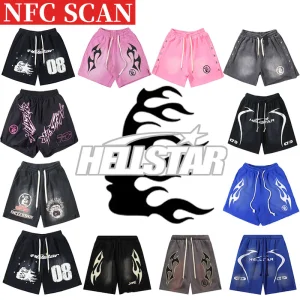
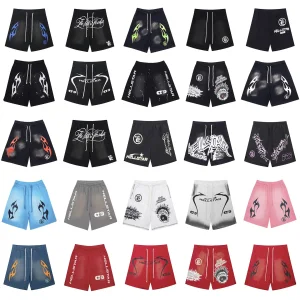
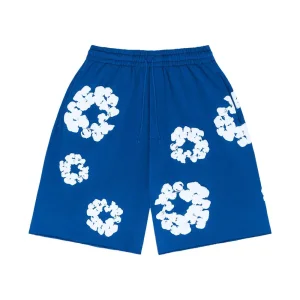
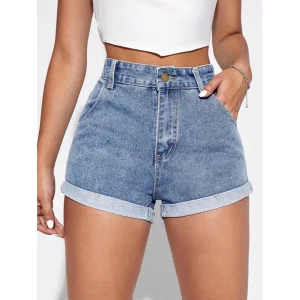
The Tokyo fashion market stands as a global epicenter for denim innovation and streetwear culture. From the historic alleyways of Harajuku and Cat Street to the high-end boutiques of Ginza, denim shorts represent a staple segment of the metropolitan wardrobe. However, Tokyo's consumers demand more than generic patterns. They seek rich narrative elements, unique wash textures, custom hardware, and flawless stitching. This demand translates into a highly complex sourcing environment for Tokyo-based apparel brands.
To capture the interest of Japanese consumers, brands must offer denim shorts that feature distinct "information gain"—whether through the integration of organic and recycled yarns, hand-finished distressing, or hybrid fabric compositions (such as blending heavy-weight denim with technical meshes). Sourcing from local Japanese factories yields top-tier quality but presents scaling bottlenecks due to high production costs and capacity limitations. Consequently, progressive Tokyo brands are building robust B2B partnerships with premium manufacturers in China's Guangdong apparel clusters to leverage cutting-edge garment processing technologies.
Guangdong NovaFair Fashion Co., Ltd. sits at the heart of this international trade corridor. By bridging the vast raw material access of China's primary textile zones with the rigorous quality standards required by Japanese trade companies (Shosha), NovaFair has perfected a flexible manufacturing workflow. This system accommodates the rapid design iteration and low minimum order quantities (MOQ as low as 2 pieces) required by Tokyo’s boutique streetwear designers, alongside the capacity to scale to tens of thousands of units for prominent Japanese fast-fashion retailers.
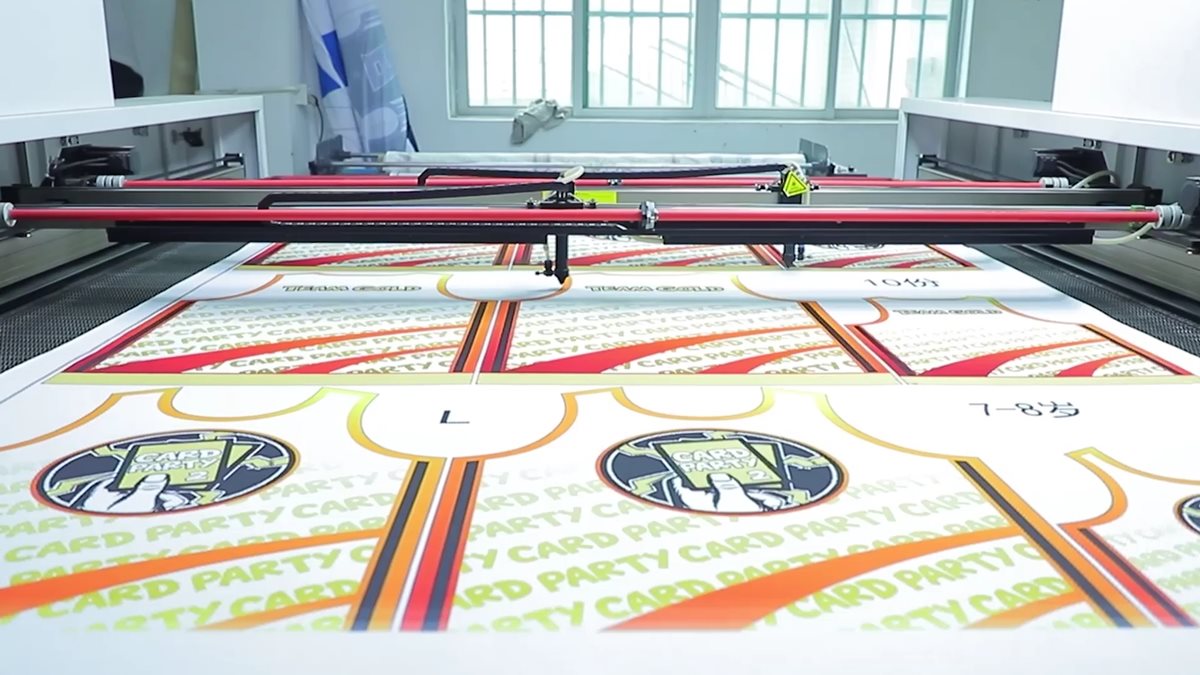
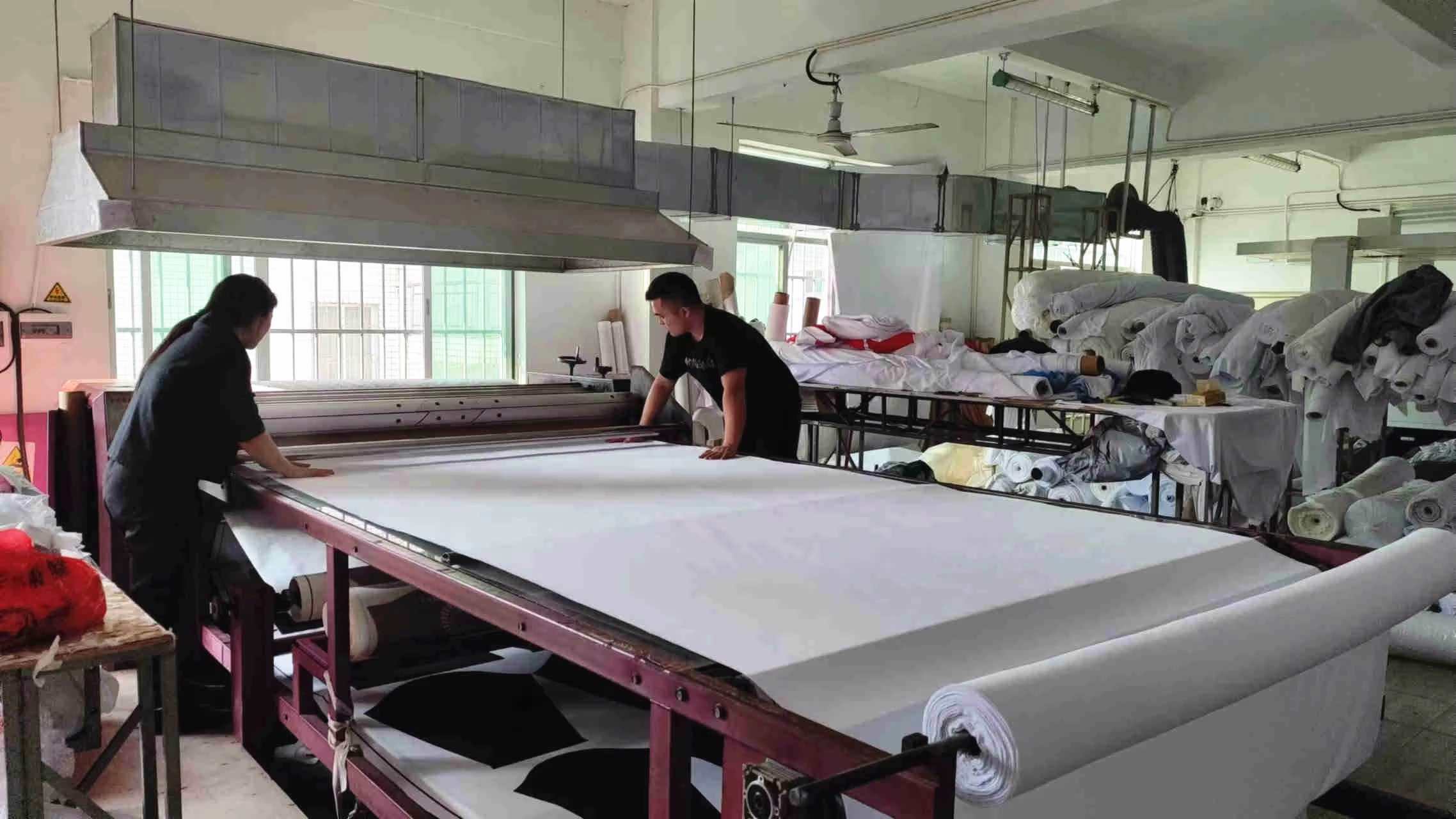
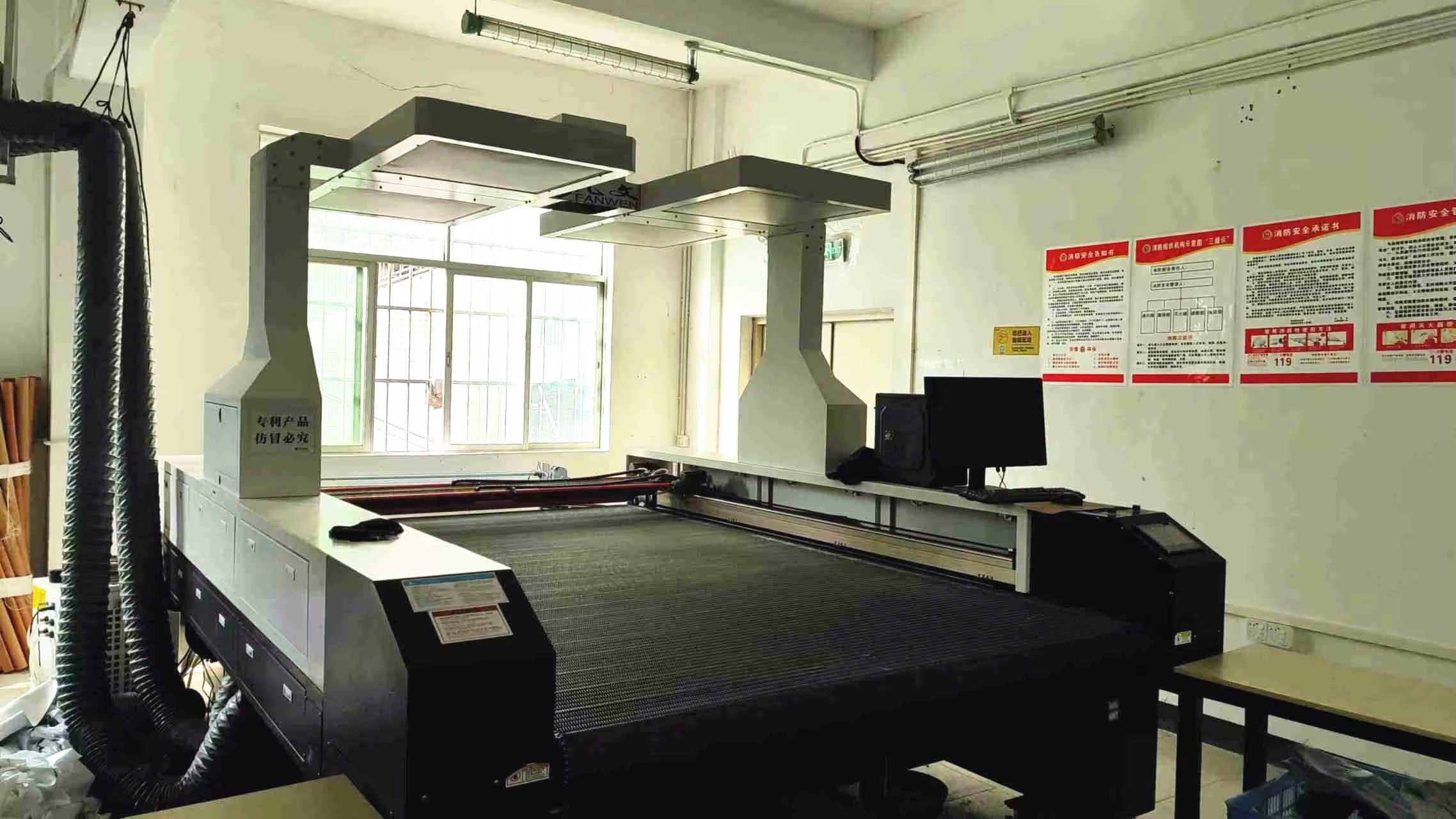
The technological edge of NovaFair's facility includes precision CAD pattern matching, computerized laser cutting, automated wash cycles that mimic decade-old vintage wear, and meticulous hand-distressing, all optimized to fulfill strict Japanese import regulations.
"Sourcing denim for the Tokyo market requires absolute compliance with Japanese Industrial Standards (JIS). The attention must extend past aesthetics to encompass chemical security, fiber authenticity, and structural longevity."
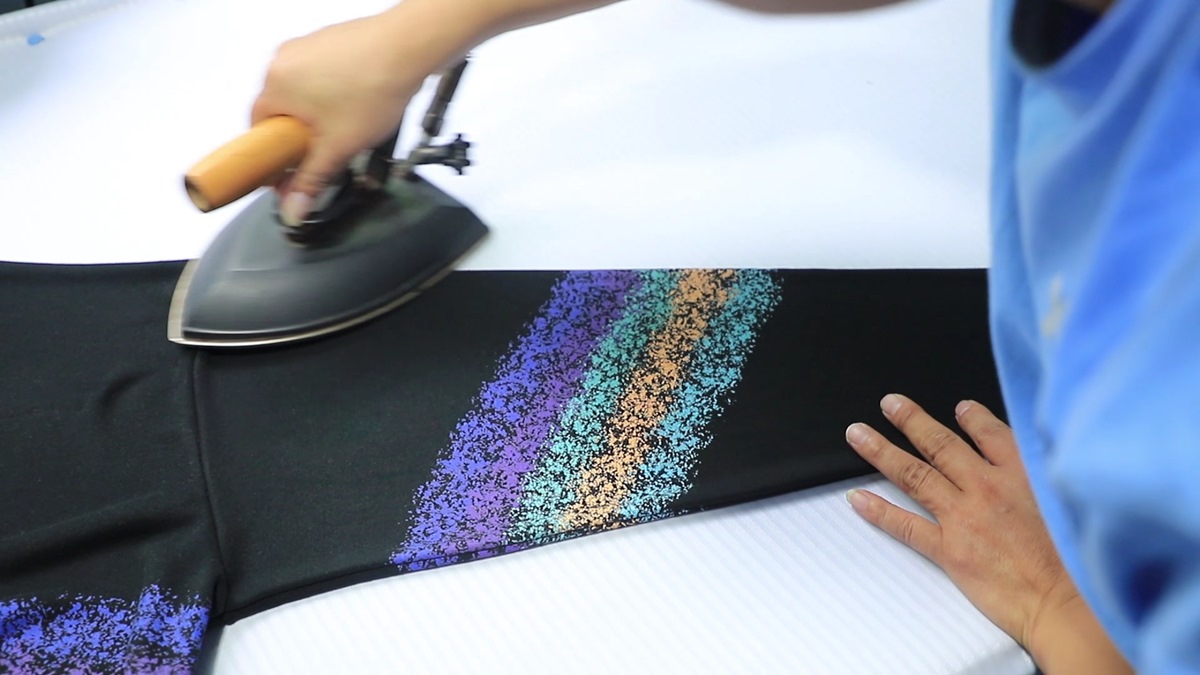
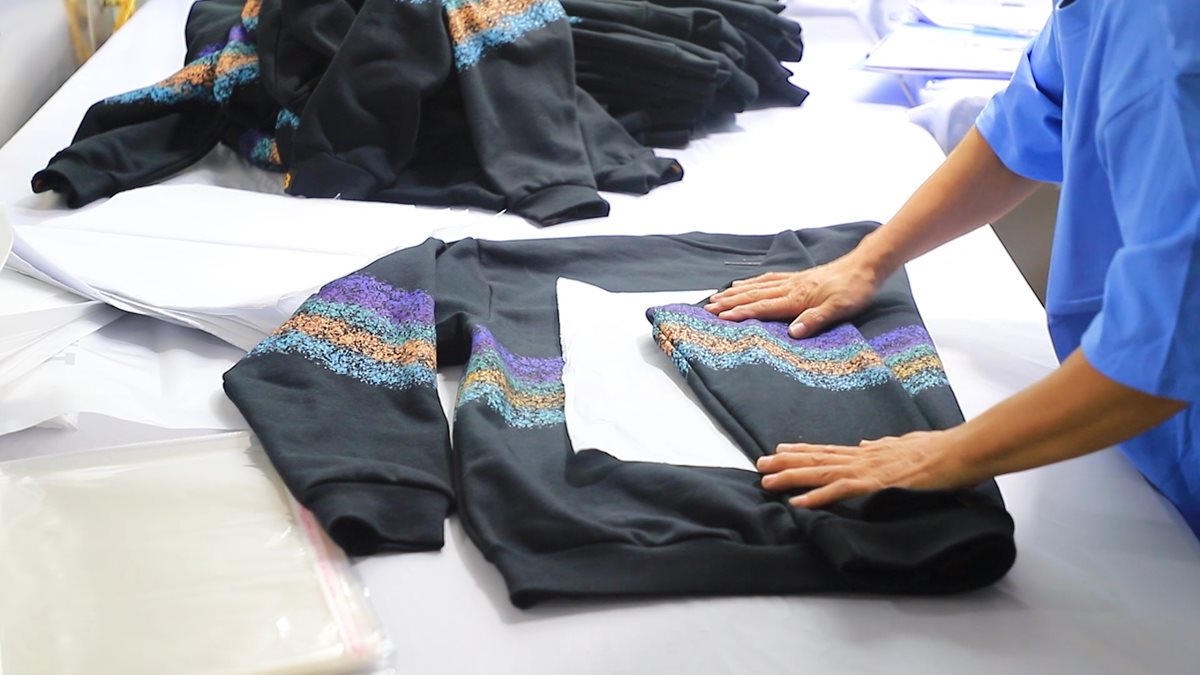
Combining heavy-duty street textiles with activewear elements to capture the emerging "Athleisure-Denim" subculture taking over Tokyo’s youth districts.
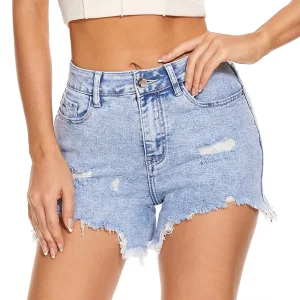
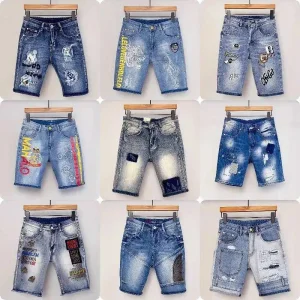
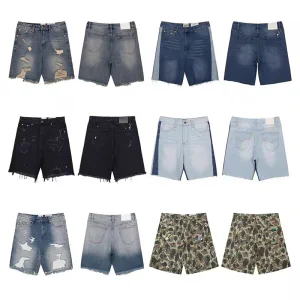
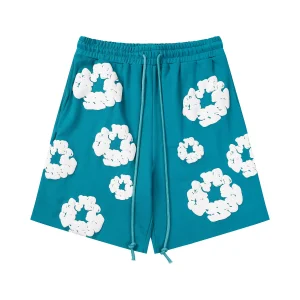
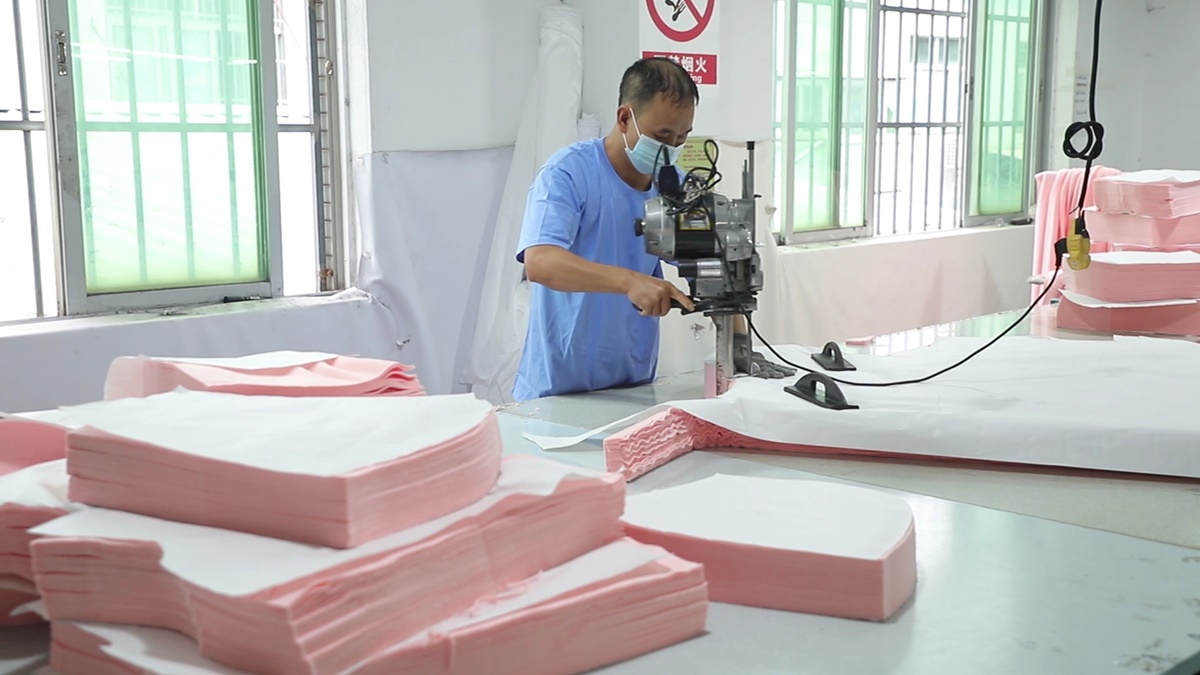
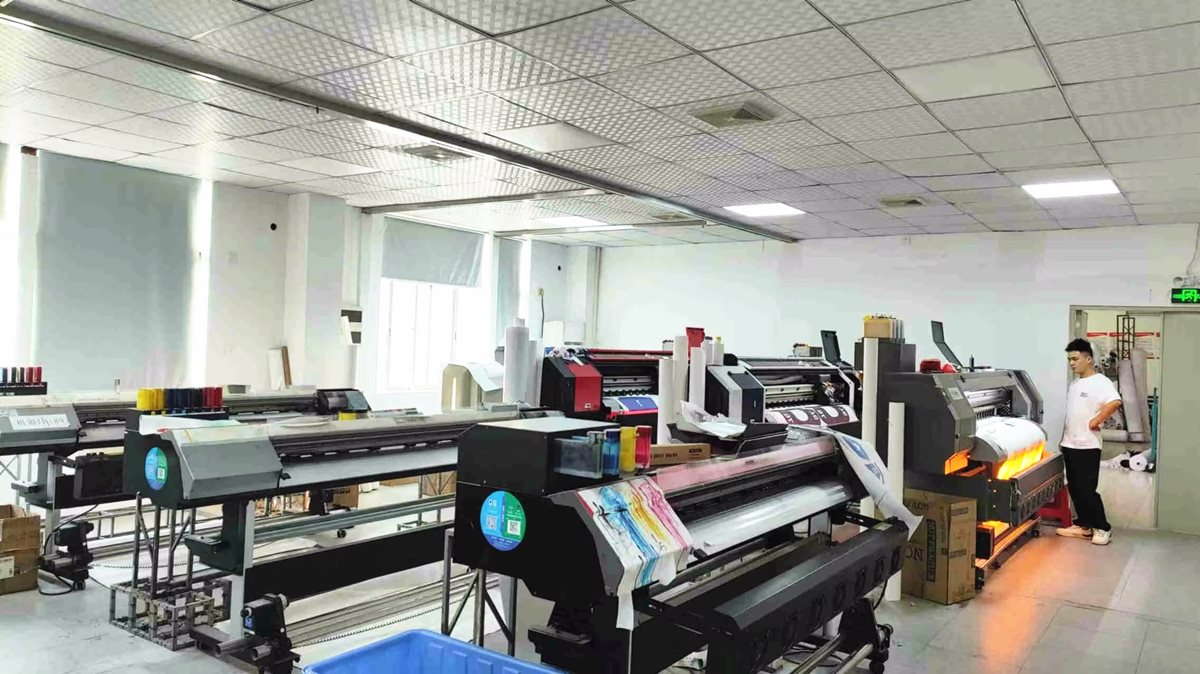
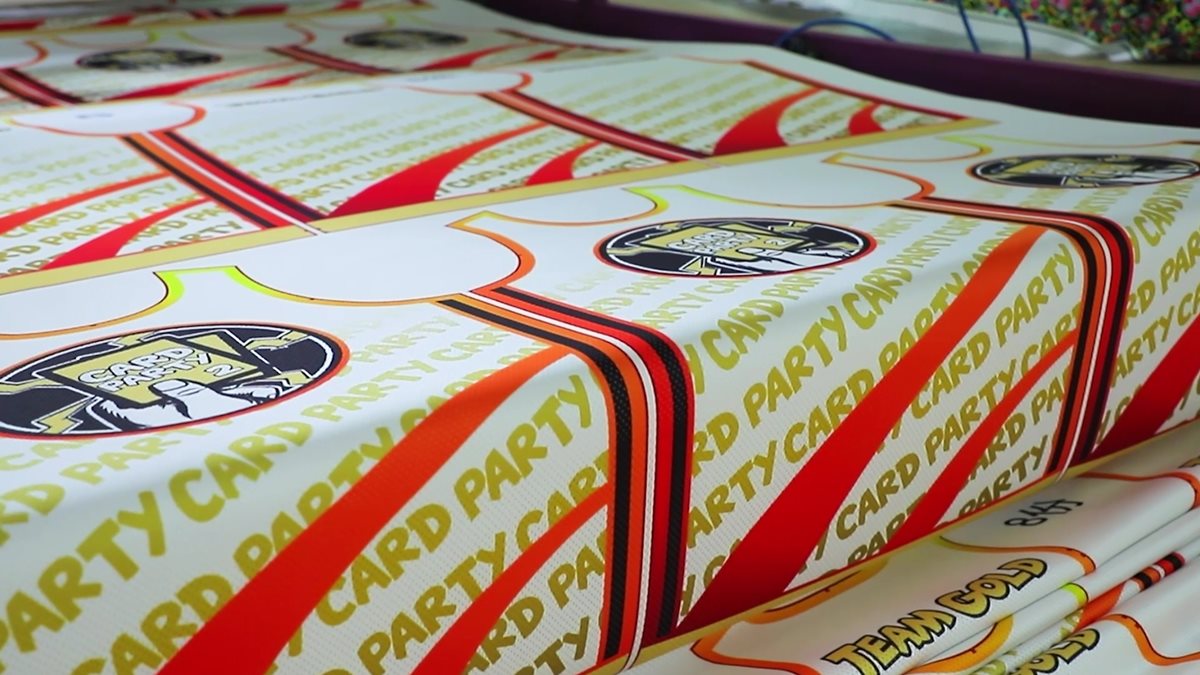
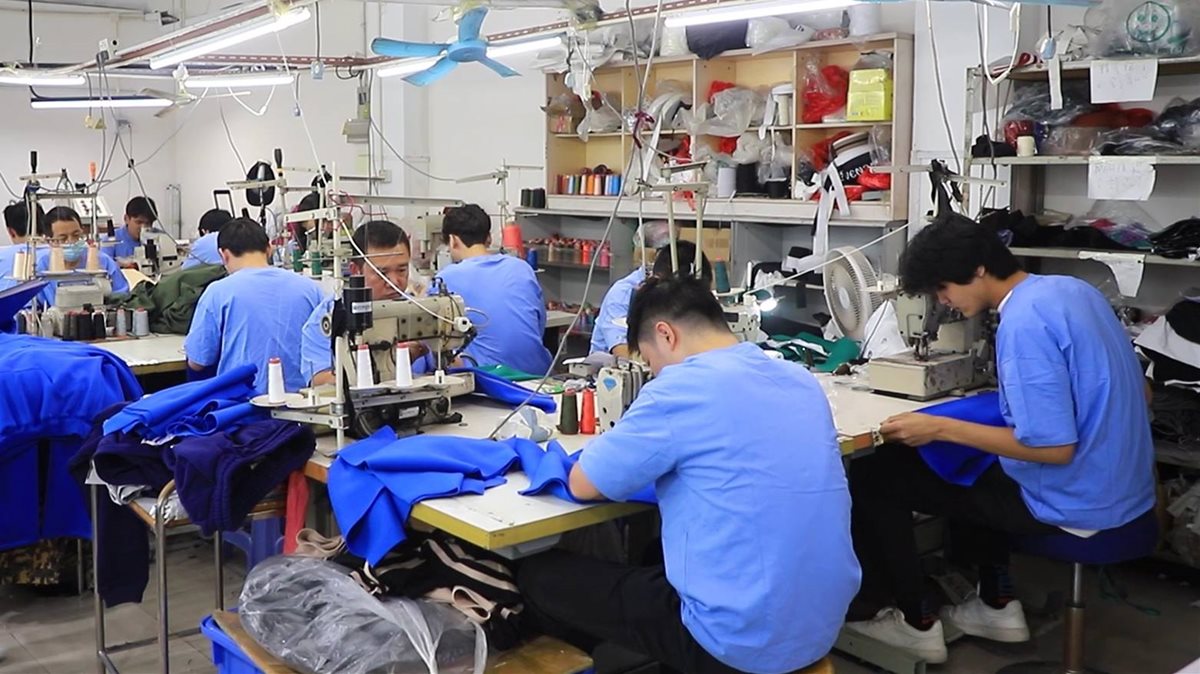
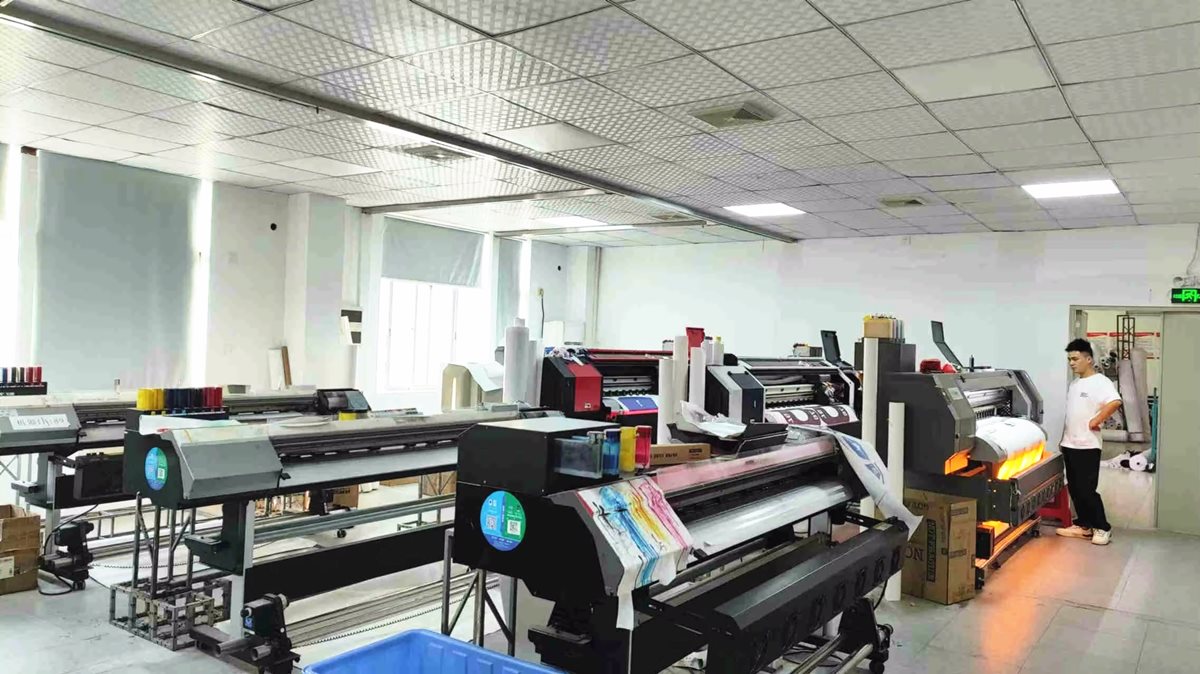
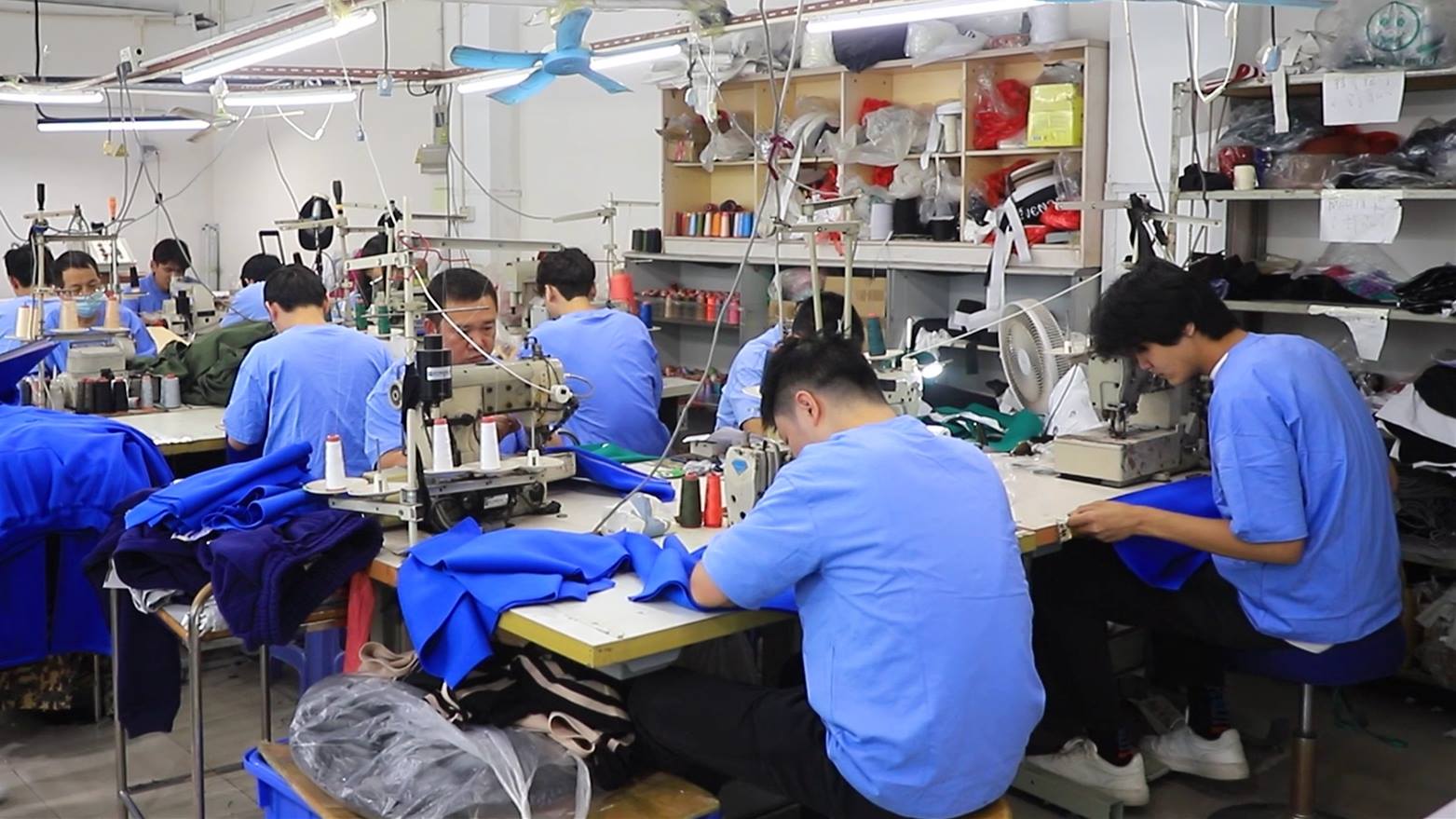
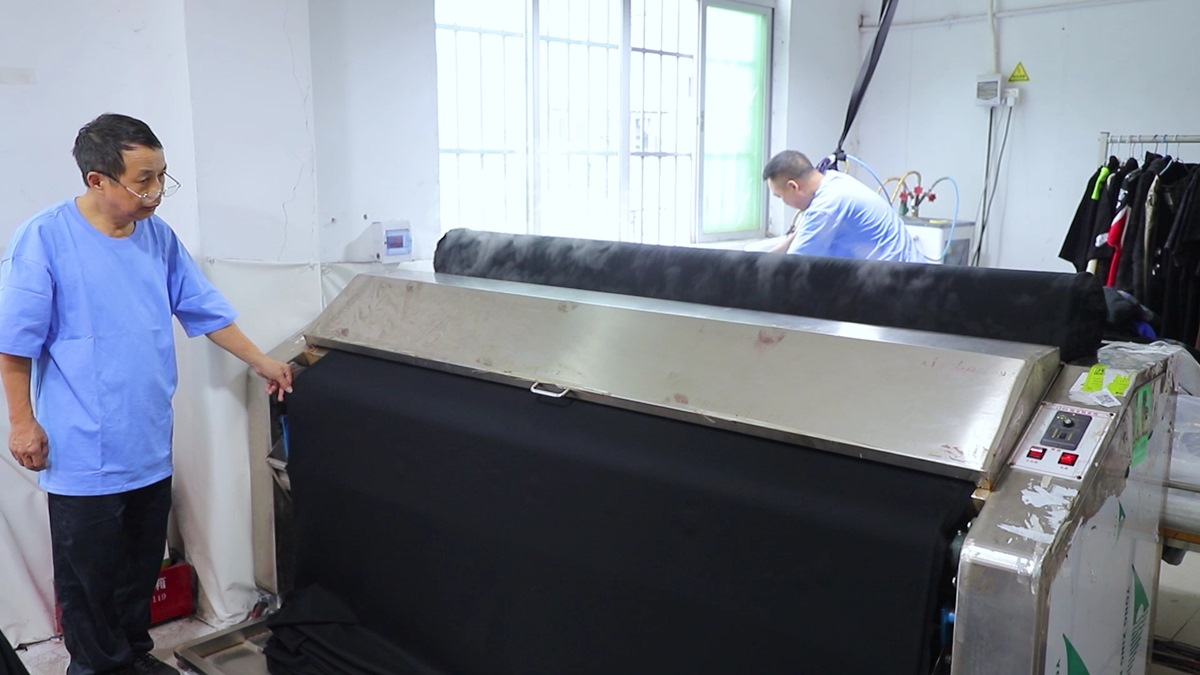
A look inside Guangdong NovaFair Fashion's manufacturing facility. We blend traditional craftsmanship with heavy machinery to guarantee production precision.
Exporting apparel to the Japanese market involves navigate stringent regulatory and consumer benchmarks. Unlike European or North American retail chains, Japanese consumers exhibit zero tolerance for minor construction anomalies, loose threads, or color bleed. Additionally, the Japanese law requires strict observance of safety regulations such as the Household Goods Quality Labeling Act and the prevention of chemical residue in dyes.
To address these expectations, NovaFair implements an intensive "Kenshin" (検針 - Needle Detection) protocol. All denim shorts destined for Tokyo undergo dual-stage detection via conveyor-mounted electromagnetic metal detectors before final packaging. This ensures complete elimination of broken sewing needles or stray metallic particles.
| Compliance Parameters | Standard Industry Level | NovaFair Export Protocol |
|---|---|---|
| Needle Detection (Kenshin) | Random manual check | 100% Dual-stage electromagnetic detection (0.8mm test card standard) |
| Formaldehyde Levels | < 75 ppm (Standard apparel) | < 20 ppm (Strict infant & skin contact compliance) |
| Color Fastness (JIS L 0844) | Grade 3 (Wash test) | Grade 4 to 5 (High-stability reactive dyes) |
| Tensile Strength (JIS L 1096) | Basic pull testing | Over 250N warp & weft tear strength verification |
| Care & Fiber Labeling | Generic translation label | Localized Japanese translation conforming to Consumer Affairs Agency requirements |
In contemporary Tokyo fashion, sustainability is no longer optional. Sourcing managers actively search for manufacturers utilizing energy-efficient wash methods. NovaFair addresses this by incorporating state-of-the-art ozone washing machines and laser-engraving units. By employing gas-phase ozone fading, we reduce water consumption by up to 60% and chemical usage by 50% compared to traditional chlorine bleaching. This technology creates the signature vintage, distressed textures highly sought-after in Tokyo streetwear while ensuring zero chemical residue remains on the fabric.
A comprehensive inventory of classic structures, high-stretch fabrics, and loose-straight cuts optimized for fast delivery and commercial appeal.
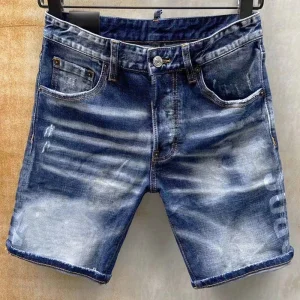
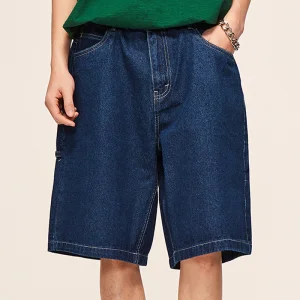
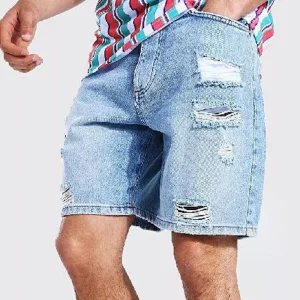
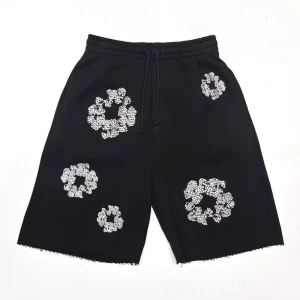
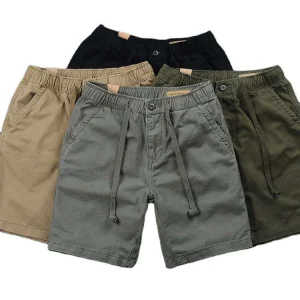
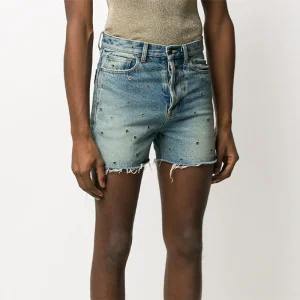
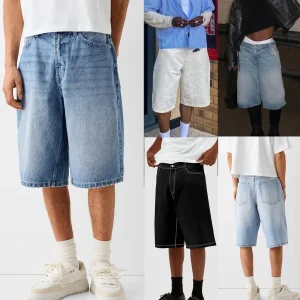
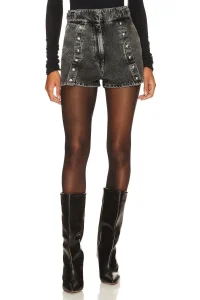
For Japanese sourcing directors, cost calculations require analyzing all associated elements including unit production costs, shipping rates, import duties, and local warehouse delivery. The execution of the Regional Comprehensive Economic Partnership (RCEP) between China and Japan has drastically optimized this financial dynamic. Under RCEP, tariff classifications for certain textile components face scheduled annual reductions, improving the margin profile of Chinese fabric imports into Tokyo.
NovaFair works with premium freight forwarders to secure priority shipping slots. Standard maritime cargo leaves Nansha Port or Yantian Port, arriving at the Port of Tokyo or Port of Yokohama within 5 to 7 days. For flash promotions or quick restocks to meet seasonal demand changes, air freight via Guangzhou Baiyun or Shenzhen Bao'an airport delivers shipments to Narita or Haneda airports in under 24 hours.
By taking advantage of our flexible factory capacity and low-MOQ capabilities (as low as 2 pieces), Tokyo-based labels can launch small capsule runs. Rather than purchasing thousands of units in advance, brands can run market tests on new distressed styles, prints, or silhouettes. Once a style performs well on digital platforms or retail spaces like ZOZOTOWN, NovaFair can rapidly scale up production using computerized scheduling, completing bulk runs in 14 days.
Essential guidance on importing custom denim shorts from Guangdong NovaFair to the Japanese market.
Contact our expert design and manufacturing team today for catalog samples, customized quotes, and RCEP-related tariff reviews.
Send Inquiry Now NovaFair Fashion